What Is Barre? A Beginner's Guide to Barre Classes in Surabaya
Small movements, a serious burn, and no dance experience required. Here's everything a first-timer should know about barre.
Barre has become one of the most talked-about workouts in boutique fitness — and for good reason. It takes the posture and precision of ballet, the core focus of Pilates, and the muscle-building of strength training, and folds them into one low-impact class. Now you can try it in East Surabaya: barre is on the timetable at 21 Pilates ID in Rungkut.
What is barre?
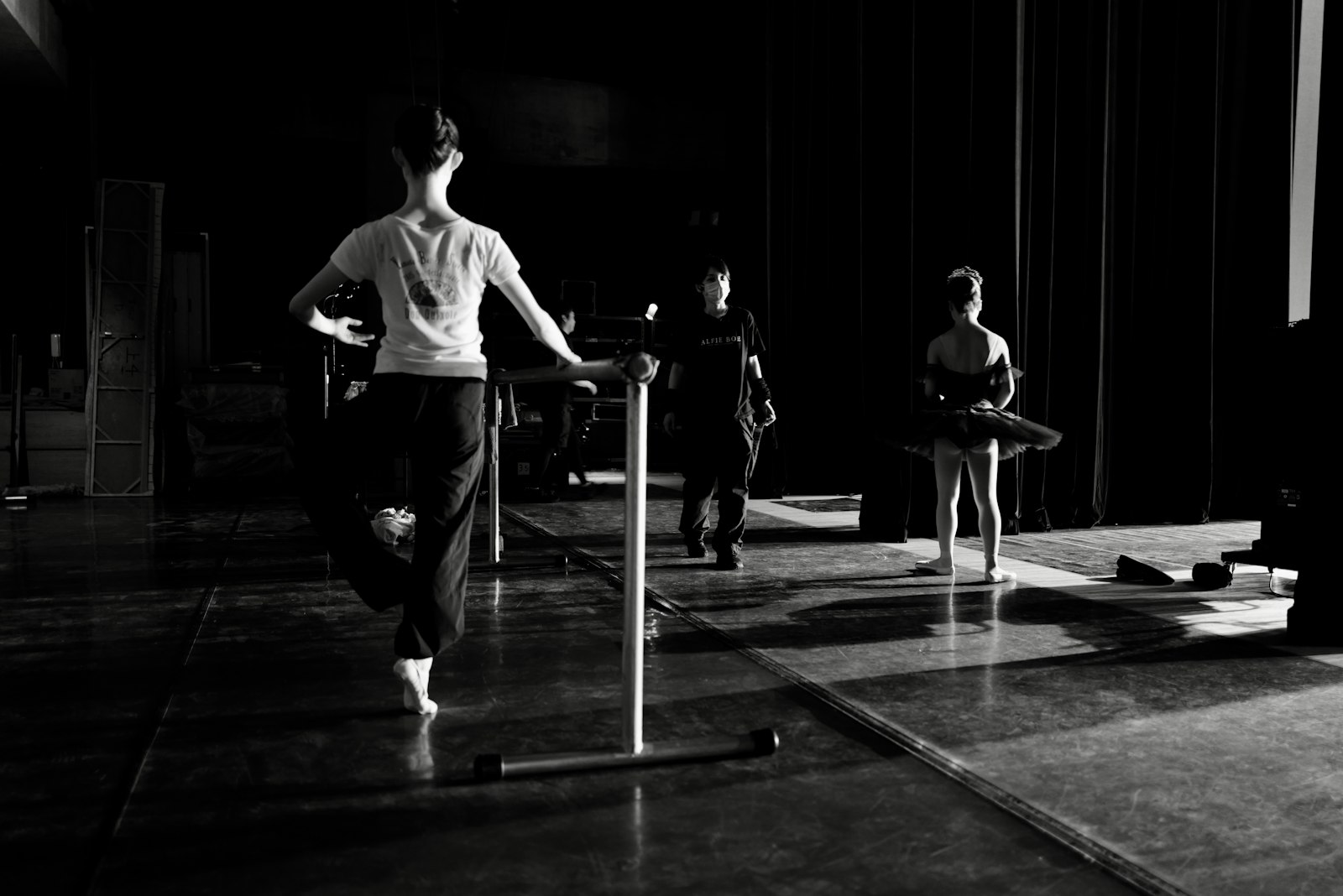
A barre is the waist-high handrail dancers hold during ballet warm-ups. Barre workouts borrow that rail as a balance aid and build a full-body class around it. The style traces back to dancer Lotte Berk, who opened a studio in London in 1959 combining ballet conditioning with rehabilitation exercises. Today's barre classes blend that foundation with Pilates-style core work.
You don't need to be a dancer. There are no pirouettes and no choreography to memorize — just simple positions, repeated with control.
What a barre class feels like
The signature of barre is small range of motion. Instead of big squats or lunges, you lower an inch, lift an inch, and pulse — dozens of times — or hold a position completely still. It looks gentle. It isn't. By the third set, most people meet the famous barre shake: the trembling that tells you a muscle is working to its edge.
- Warm-up — breath, posture, and light full-body movement. About 8 minutes.
- Arms and upper body — light weights or bodyweight, high repetitions. About 8 minutes.
- Thighs and seat at the barre — pliés, relevés, and pulses in ballet-inspired positions. About 18 minutes.
- Core — Pilates-style abdominal work, often on the mat. About 10 minutes.
- Stretch — long, dancer-style stretches to finish. About 6 minutes.
The benefits of barre
- Strong legs and glutes — the small, sustained contractions build lower-body strength and endurance.
- Better posture — ballet's lifted, lengthened alignment is cued throughout the class.
- Balance and stability — working on the balls of your feet trains the ankles and hips.
- Low impact — no jumping, which makes barre kind to knees and joints.
- Muscular endurance — you learn to hold steady when your muscles want to quit.
Barre vs Pilates
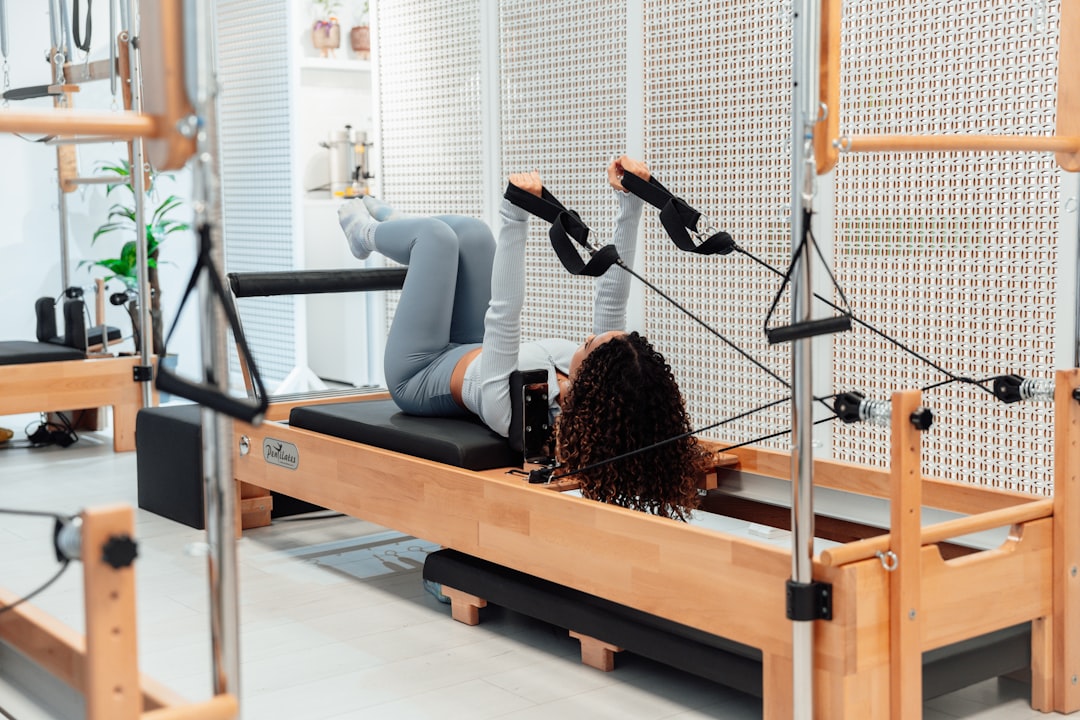
Barre and Pilates are close relatives — both are low-impact, precise, and core-centered. Pilates focuses more on spinal movement and deep core control; barre puts extra emphasis on the legs and glutes, with a more upbeat rhythm. They pair naturally: many members alternate a reformer or mat Pilates session with a barre class each week. Want something slower to balance it out? Add yoga for flexibility.
Do I need ballet or dance experience?
No. Barre is designed for regular bodies, not trained dancers. The instructor explains every position, offers easier options, and the barre itself is there to keep you steady. If you can stand and hold a rail, you can do barre.
Who barre is for
- Anyone who wants stronger legs and glutes without high-impact training.
- Pilates members looking for a different rhythm and an extra challenge.
- Former dancers who miss the barre.
- Beginners who prefer a structured, friendly group class.
Price, class size, and booking
- Price: Rp 90.000 per person for a 50-minute class.
- Class size: maximum 8 participants.
- Minimum: the class runs with at least 4 participants. If fewer than four book, it's automatically cancelled and everyone is fully refunded.
- Booking: reserve 6 hours to 14 days ahead at booking.21pilates.id.
21 Pilates ID is at Medokan Asri Timur Blok i/21, Rungkut, East Surabaya — an easy trip from Sukolilo, Mulyorejo, Tenggilis Mejoyo, and Gunung Anyar. Open daily, 08:00–20:00. Wear comfortable workout clothes and arrive five minutes early.