What Is Reformer Pilates? A Beginner's Guide for First-Timers
If you've heard the word 'reformer' and wondered whether it's for you — yes, probably. Here's how it actually works.
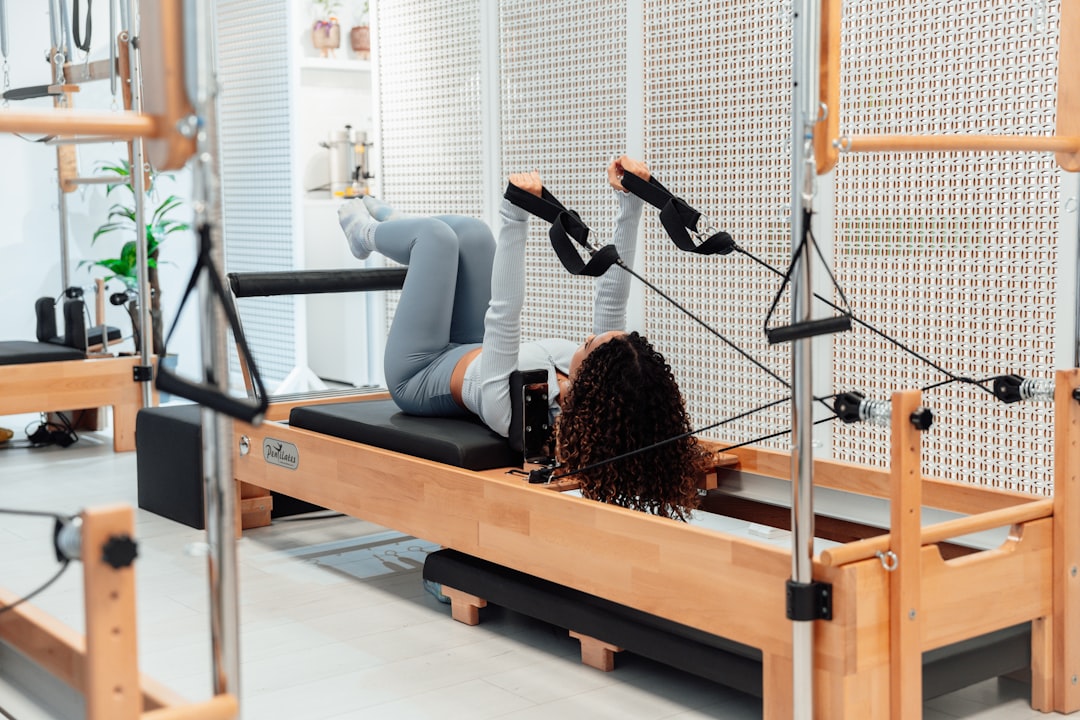
Reformer Pilates is a low-impact strength and mobility practice performed on a sliding-carriage machine called — naturally — a reformer. It looks like a single bed with springs underneath. You lie, sit, kneel, or stand on it, and the springs give your muscles something to push and pull against.
That's the whole concept. The genius of it is that the springs add resistance and assistance at the same time. The reformer can make a movement easier when you need support and harder when you're ready to load it. Few other forms of exercise do both.
How a 50-minute class actually flows
At 21 Pilates ID in Rungkut, every class runs 50 minutes with no more than four people on the floor. A typical session moves through four phases:
- Warm-up on the carriage — slow breath, footwork, spinal articulation. About 8 minutes.
- Strength block — leg work, glute bridges, lunges with the platform. The reformer turns familiar movements into precise, joint-friendly resistance. About 20 minutes.
- Core and stability — planks on the carriage, stomach massage, side-lying series. Roughly 15 minutes.
- Cool-down and stretch — assisted hamstring stretches, spinal roll-downs, breath. About 7 minutes.
You're never doing the same thing as the person beside you for very long. The instructor adjusts springs, tempo, and range for each body.
Why reformer is gentler than it looks
People often expect a reformer class to feel like a hardcore gym session. It doesn't. It feels controlled. The springs catch you, the carriage glides smoothly, and the pace stays slow enough that your nervous system can keep up.
That's why it works for so many bodies — desk workers with tight hips, new mothers rebuilding their core, runners protecting their knees, anyone returning from injury. The resistance is real, but it never jolts your joints.
Who reformer Pilates is for
- Beginners who've never set foot in a fitness class — the reformer is forgiving and the instructor cues every movement.
- Anyone with lower-back, neck, or shoulder concerns who needs gentle, intelligent loading.
- Postpartum mothers cleared by their doctor and ready to rebuild gradually.
- Athletes and dancers using it as cross-training for control and length.
- Older adults who want strength without impact.
Common myths, briefly
"It's only for women."
It isn't. Reformer Pilates was invented by Joseph Pilates and originally trained boxers, soldiers, and dancers. Anyone benefits.
"I'm not flexible enough."
Flexibility is a side effect of the practice, not a prerequisite. Tight bodies improve fastest.
"It looks expensive."
It is more expensive than a gym, because the equipment is precise and the classes stay small. At 21 Pilates ID, an Open Class is Rp 165.000 for a 50-minute session — capped at four people, so attention is genuine.
Your first class at 21 Pilates ID
Wear something stretchy. Bring grip socks (or buy them at the studio). Arrive five minutes early so you can meet your instructor and they can ask about anything we should know — past injuries, recent pregnancies, surgeries, anything at all.
You don't need to be fit. You don't need to know what you're doing. You need a body, a willingness to breathe, and 50 minutes.