Your First Pilates Class: What to Wear, Bring, and Expect
The room is small, the spring noises are unfamiliar, and you don't know what 'C-curve' means yet. That's okay. Here's everything you actually need.
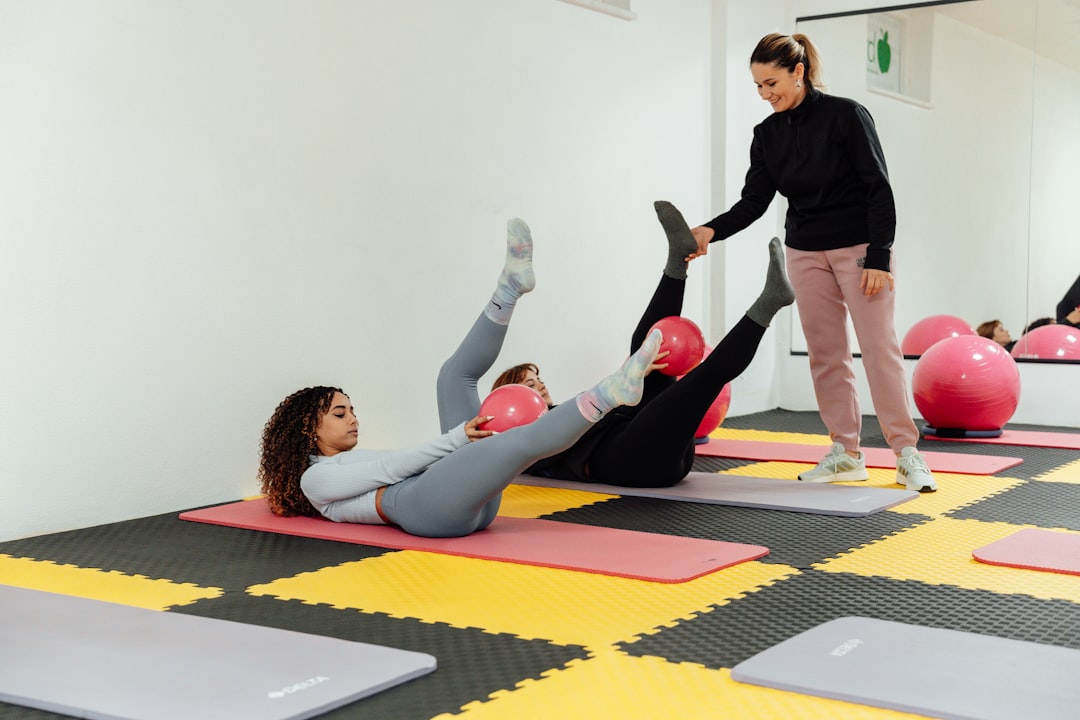
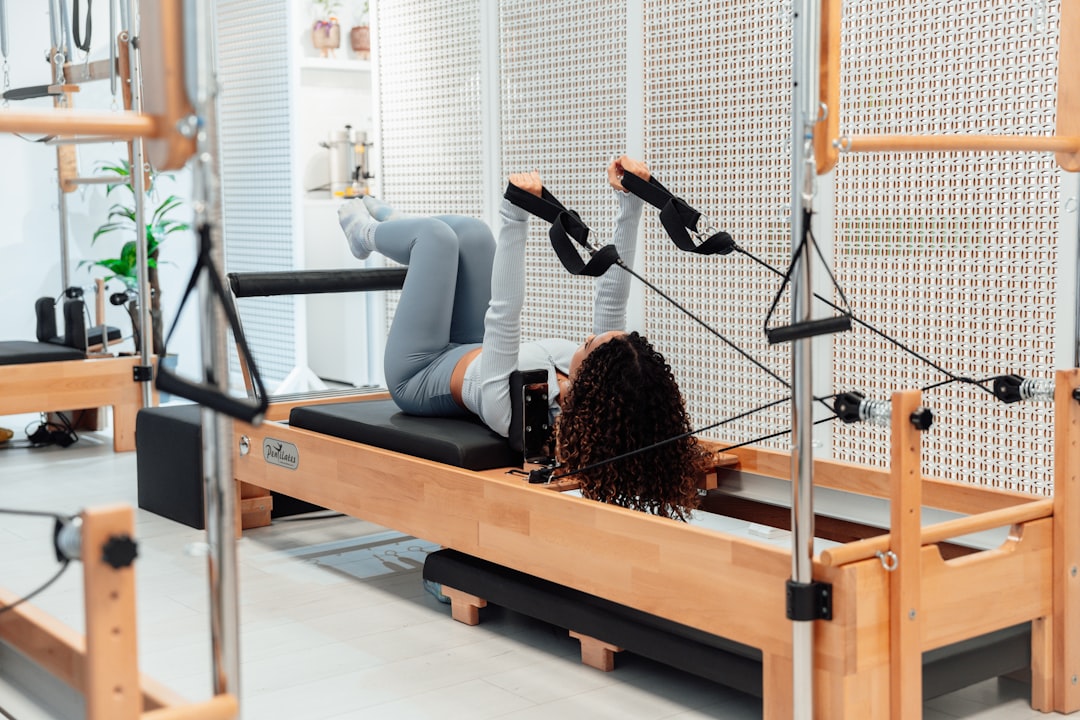
Walking into a Pilates studio for the first time can feel like opening a door you didn't know was there. The reformer makes unfamiliar noises, the vocabulary is new (footwork, hundreds, teaser, mermaid), and there's a quiet seriousness in the room. None of that is meant to intimidate you. The whole room is built around you arriving, breathing, and being shown what to do.
What to wear
- Fitted, stretchy clothes — leggings or close-fit shorts, and a top that won't ride up when you lie back. Loose tank tops can flip up over your face during inversions.
- No big logos on knees or hips — they tend to grip the carriage and pinch.
- Minimal jewelry. Earrings are fine. A heavy necklace will hit your face during footwork.
- Hair tied back. Long ponytails are still fine on the headrest.
What to bring
- Grip socks. Mandatory at 21 Pilates ID — they prevent slipping on the carriage and keep the equipment hygienic. The studio sells them if you don't have a pair.
- A water bottle. The studio has filtered water you can refill.
- Yourself, five minutes early. That's it.
Tell the instructor about your body
Before the class starts, your instructor will ask if there's anything they should know. Be honest, even about small things. Useful things to mention:
- Recent surgeries (within the last 12 months) or current injuries.
- Pregnancy or postpartum status — even months in.
- Lower-back, neck, or shoulder pain that flares up.
- High blood pressure, heart conditions, or vertigo.
- Anything you're nervous about.
None of this disqualifies you. It just means the instructor can adjust springs, position, and tempo before you start instead of mid-movement.
What the first 10 minutes feel like
You'll lie on your back with your feet on the foot bar. The instructor walks the room and adjusts the springs to suit you — usually three reds at the start, which sounds vague until you realize each red spring is one resistance level. You'll do small footwork: heels lifted, toes pointed, parallel, V-position. Boring? On purpose. The first ten minutes train your body to feel the carriage move under you and find a rhythm with your breath.
After that, the class layers movement on. Bridge, leg circles, planks, side work. The instructor cues every transition. You'll never wonder what to do next.
You will be wobbly
Everyone is wobbly the first time. The reformer demands a kind of stability your body hasn't trained yet. By class three or four, the wobble settles. By class ten, your body starts asking for it.
After class
You'll feel taller. That's not a metaphor — your spine actually decompresses through the supported stretching at the end. The next morning, you might be sore in the inner thighs, deep abs, and obliques. That soreness is the muscles you usually under-recruit finally getting a turn.