7 Benefits of Pilates for Women You'll Actually Feel
Not 'tone and lengthen' marketing-speak. Seven changes our members actually report after eight weeks of consistent practice.
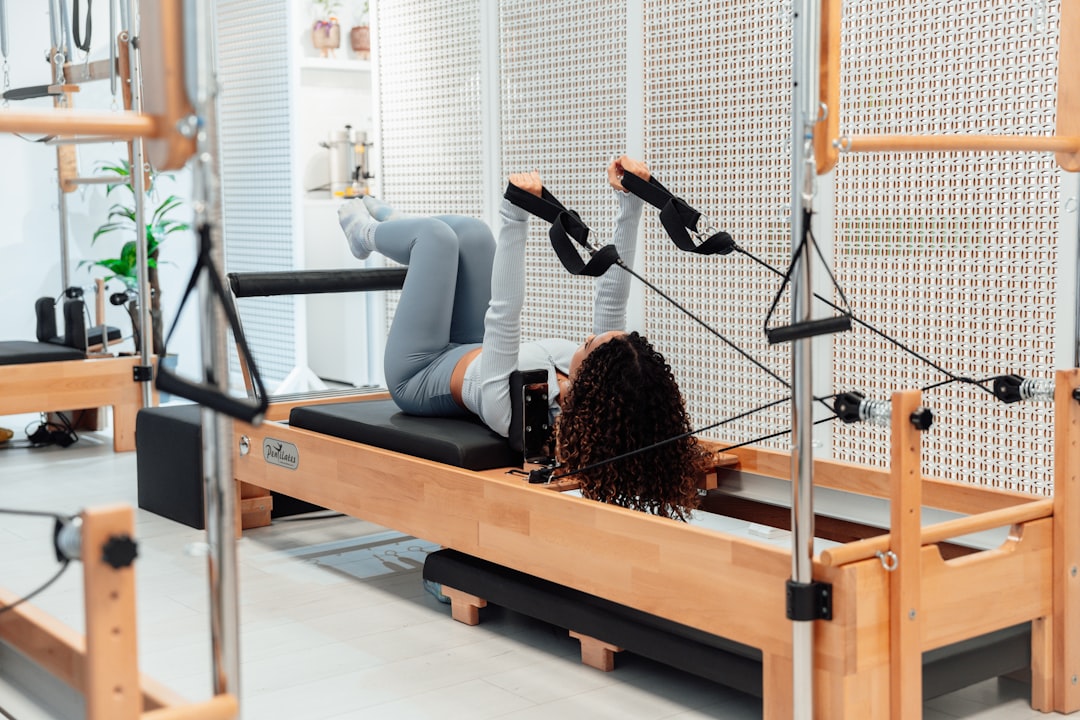
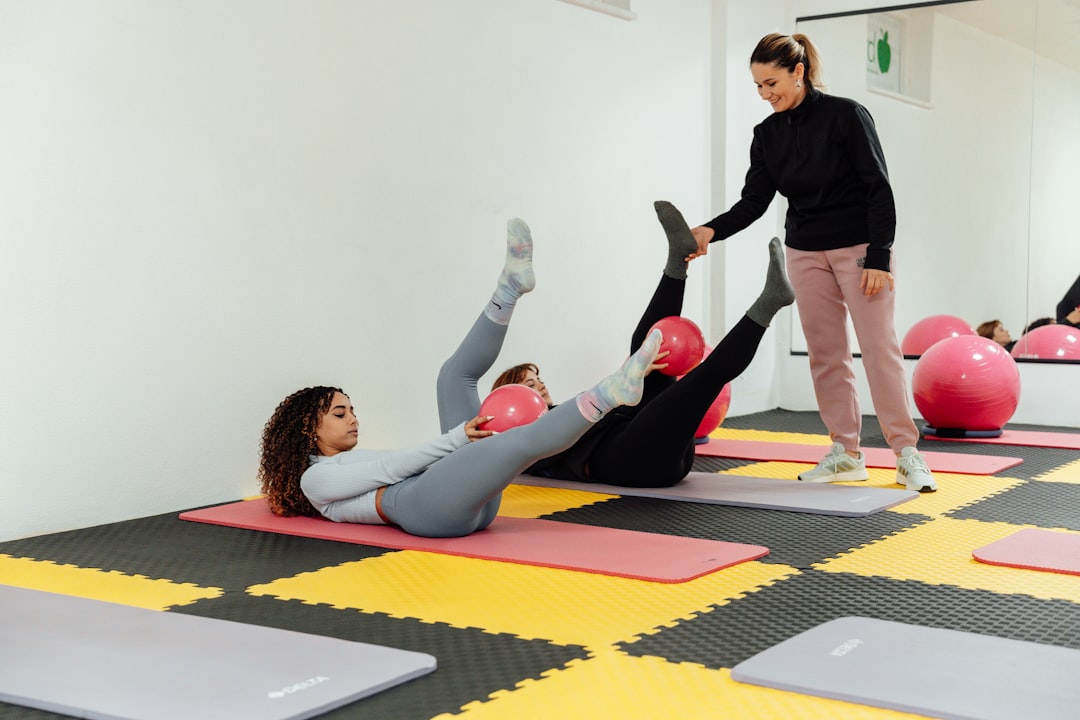
Pilates marketing has a problem. It promises long, lean, and toned, which sounds nice but doesn't tell you anything useful. Here's what actually happens to most women's bodies after eight to twelve weeks of consistent reformer practice — drawn from research and from what our members at 21 Pilates ID consistently report.
1. Posture quietly straightens itself
Pilates trains the deep spinal stabilizers — transverse abdominis, multifidus, the small muscles that lift the chest and pull the shoulders back. You stop having to remember to sit up straight. The body just defaults to it.
Most desk workers feel this first. After three or four weeks, the upper-back tightness that lives between the shoulder blades starts to soften.
2. Core strength shows up where you'd never expect
A strong core isn't visible abs. It's the ability to lift a toddler off the floor without your back protesting. To carry groceries up stairs. To roll over in bed without bracing. Reformer trains the core in every plane of motion, which is why the strength transfers to real life.
3. Lower-back pain becomes manageable, then rare
Roughly 60% of women report some lower-back pain by their thirties — usually from a weak gluteal-abdominal chain combined with too much sitting. Reformer Pilates loads the glutes and deep core in a controlled way that gym work rarely matches. Many of our members arrived for back pain and stayed for everything else.
4. Pelvic floor regains tone
Pelvic floor strength matters far more than most women are taught. It affects continence, core stability, sexual function, and recovery from pregnancy. Reformer cues — 'lift through the pelvic floor', 'breathe wide into the ribs', 'soften the jaw' — train this muscle group without ever calling attention to it. Postpartum mothers feel the difference fastest.
5. Sleep deepens
This one surprises people. Pilates uses controlled, parasympathetic-leaning breath patterns — slow exhales, lateral rib expansion. By the end of class, your nervous system has shifted out of fight-or-flight. Many members report sleeping more deeply on training days, even when the class was strenuous.
6. Mood lifts without the crash
Most cardio releases endorphins and then drops you into hunger and fatigue. Pilates produces a calmer, more sustained version of that. The combination of focused movement, breath control, and a small room with other people creates a reliable mood-regulating effect — useful for cyclical mood shifts, mild anxiety, or the general tension of modern life.
7. Body image shifts away from the mirror
Something quietly important happens after a few months. Members stop talking about wanting to look thinner and start talking about feeling capable. That shift — from how the body looks to what it can do — is the most durable benefit Pilates offers, and the one we hear most often at 21 Pilates ID.
How long until you feel it?
Honestly? Class one for the calm, week three for the posture, week six for the strength, week twelve for the body image. None of it is theoretical. It just takes consistency.