Postpartum Pilates: Returning to Movement, Safely
Your body has done something extraordinary. Now it asks for a different kind of training — slower, more attentive, and centered on the muscles pregnancy stretched.
The first months after birth are a strange landscape. You feel like you should rebuild quickly, and you also feel like sleep is the only thing your body actually wants. Both feelings are honest. The middle path — slow, consistent, intelligent movement — is where Pilates fits in.
When can you start?
The standard recommendation is six weeks for an uncomplicated vaginal birth and twelve weeks for a Caesarean — but only after your doctor or midwife has cleared you. Some bodies need longer. Listen to that signal even if the clock says you're ready.
What pregnancy actually changed
Three things matter most for return to movement:
Diastasis recti
The two halves of the rectus abdominis (the front 'six-pack' muscle) separate during pregnancy to make room for the baby. After birth, they take time to come back together. About a third of women still have a measurable gap at six weeks. Crunches and planks too early can widen the gap rather than close it.
Pelvic floor changes
Whether you delivered vaginally or by Caesarean, the pelvic floor was loaded for nine months. It's likely weaker than it was, and possibly tense in places. Both states improve with breath and gradual loading — not with kegels you do absentmindedly in the car.
Relaxin in the joints
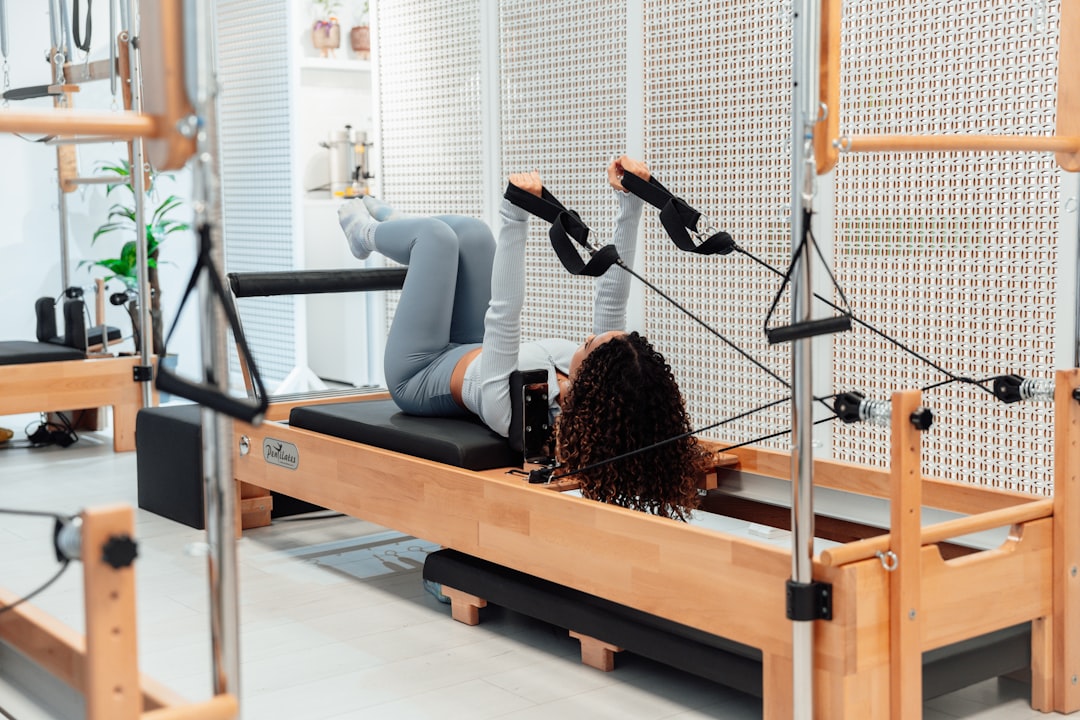
The hormone that softened your ligaments for birth lingers for several months, especially while you breastfeed. Joints feel mobile and easy to push past their safe range. Reformer's controlled resistance is one of the best ways to train strength without ambushing those joints.
What postpartum Pilates looks like in practice
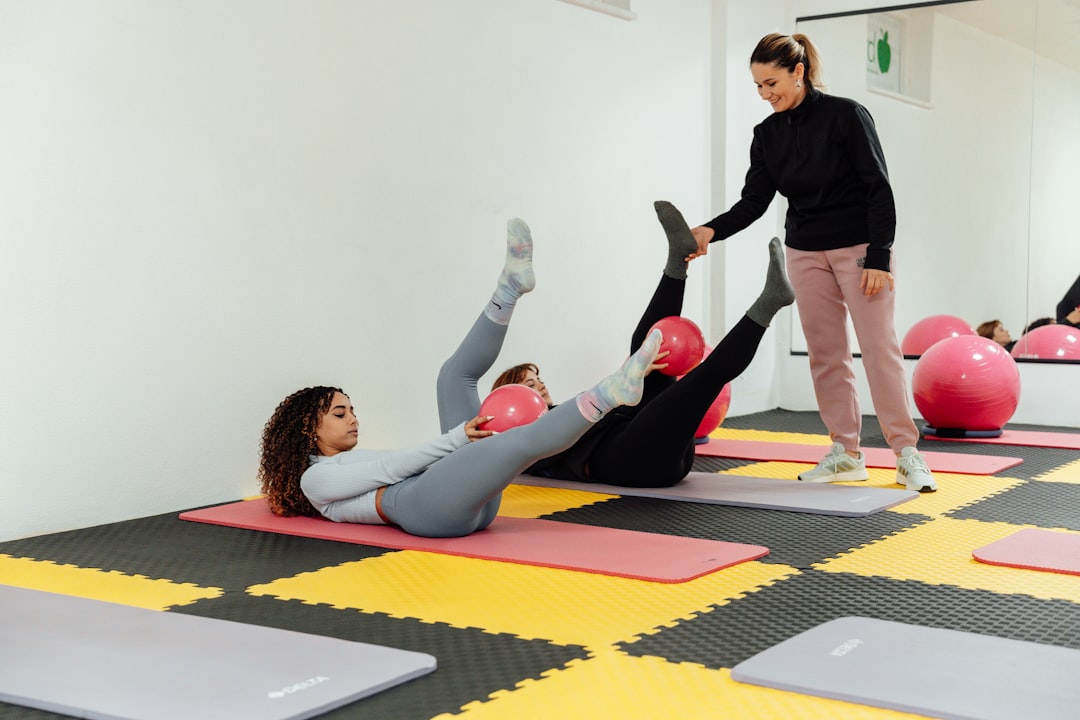
At 21 Pilates ID, postpartum members typically start in a Private Class — one-on-one with an instructor, fully tailored — for the first few sessions. You'll spend a lot of time on:
- Diaphragmatic breathing — three-dimensional rib expansion to wake the deep core.
- Pelvic tilts and bridges — gentle activation of the gluteal-abdominal connection.
- Foot work on the carriage — re-teaching your hips to track in alignment.
- Side-lying clamshells with springs — glute medius reactivation.
- Standing splits and gentle planks once the deep core is responsive.
After four to eight private sessions, most members move to Open Class. Some prefer to stay private. Both are correct.
Bringing baby
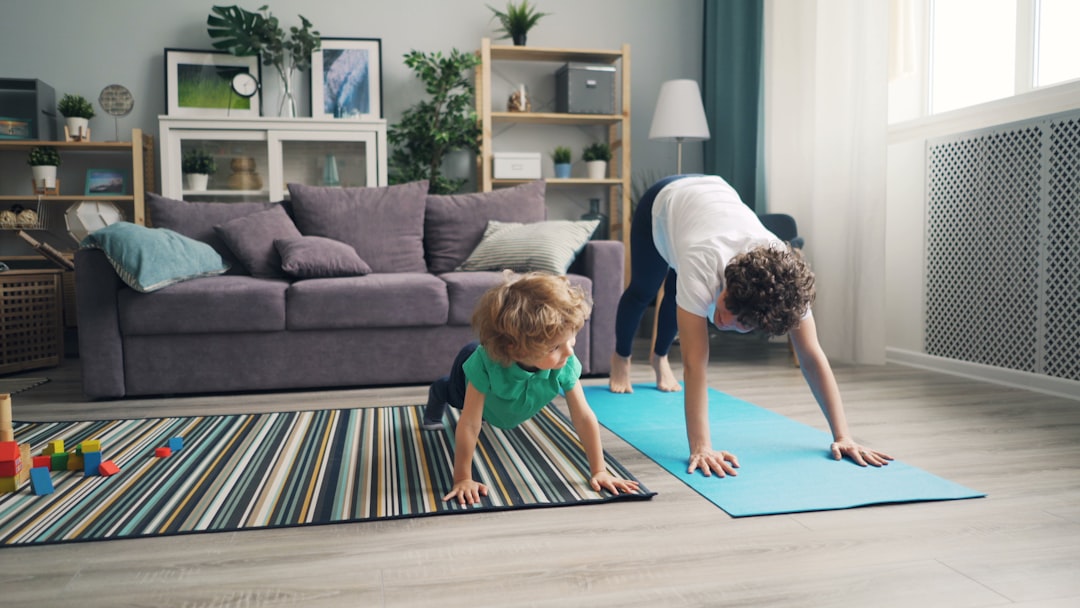
Right now, the studio doesn't have a dedicated parent-and-baby class — but private sessions can be scheduled around feeds, and many of our postpartum members come during a partner's at-home block. WhatsApp us before your first booking and we'll work the timing around your week.
Patience is the practice
Returning to movement after birth is not a comeback story. It's a long, soft re-acquaintance with a body that is genuinely different now. Most women feel like themselves again somewhere between four and nine months — a wide range, all of it normal. Pilates accelerates the connection without rushing the tissue.