A Day at 21 Pilates ID: Inside Our Studio in Rungkut
What it's actually like to spend a day inside a four-reformer studio in East Surabaya — written for the curious, the considering, and the soon-to-arrive.
Mornings at 21 Pilates ID start before the first class. The instructor arrives around 7:30 — a half hour before the 8:00 session — to wipe down the carriages, check the springs, fold the towels, refill the filtered water. The room is quiet enough to hear the air-conditioning hum. The light through the east-facing window is still soft, slipping across the wooden floor.
8:00 — first class of the day
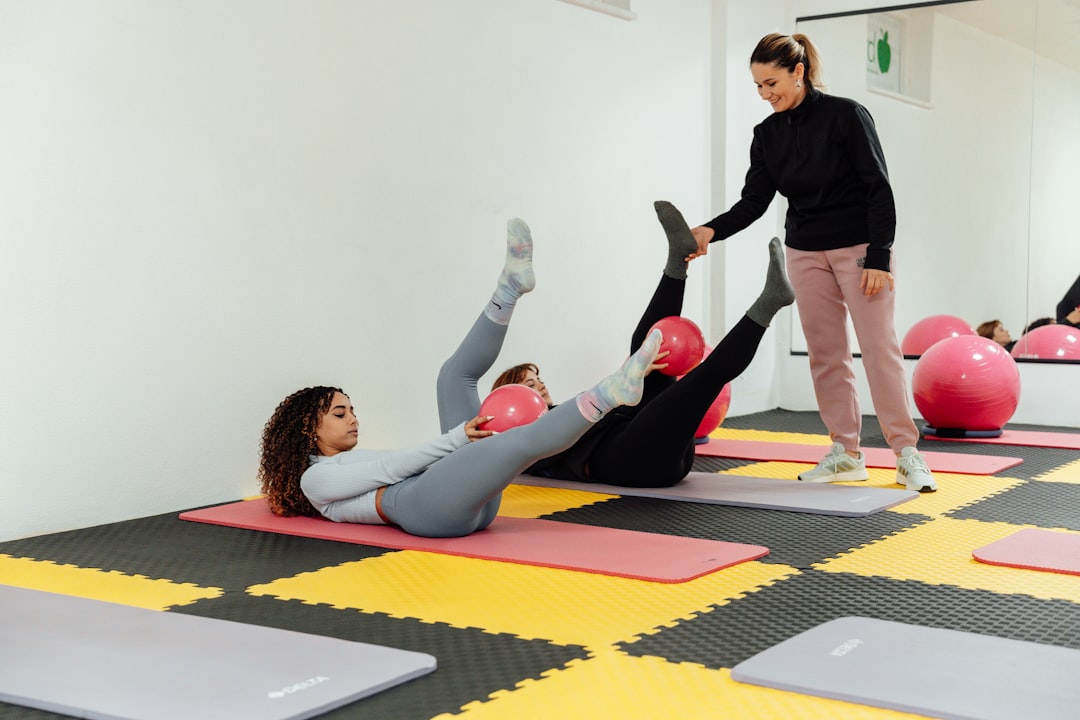
By a few minutes to eight, the first members trickle in. Some are regulars who already know which reformer they prefer (most people develop a favorite within three or four classes). Others are first-timers, and the instructor walks them through the equipment slowly while the regulars warm up gently.
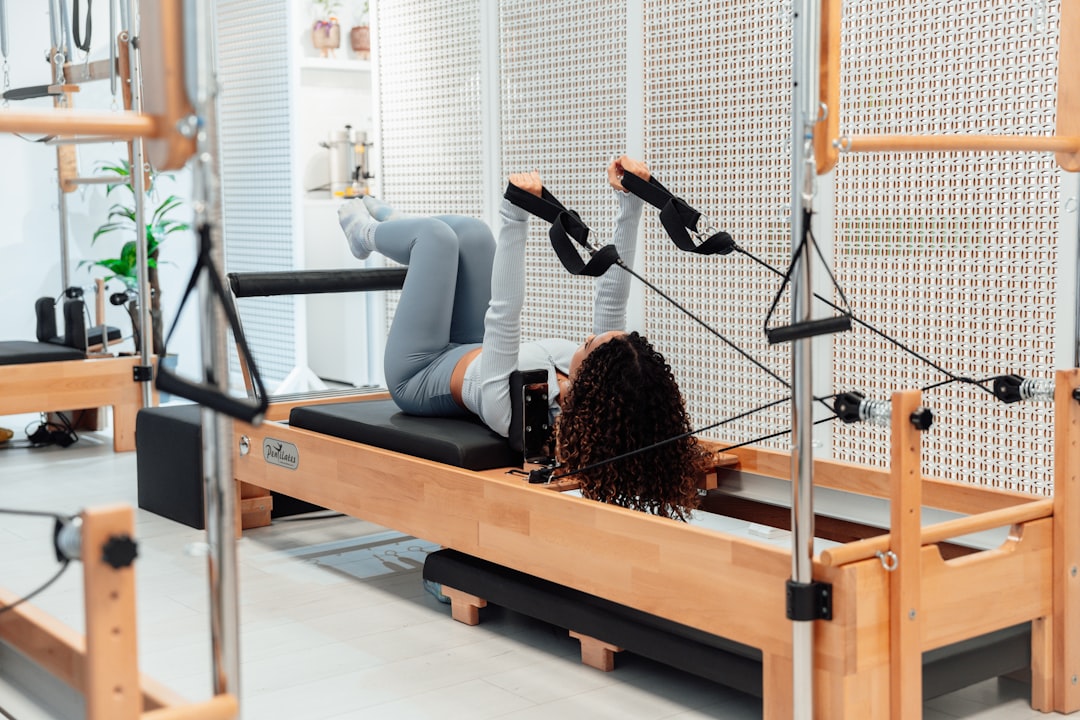
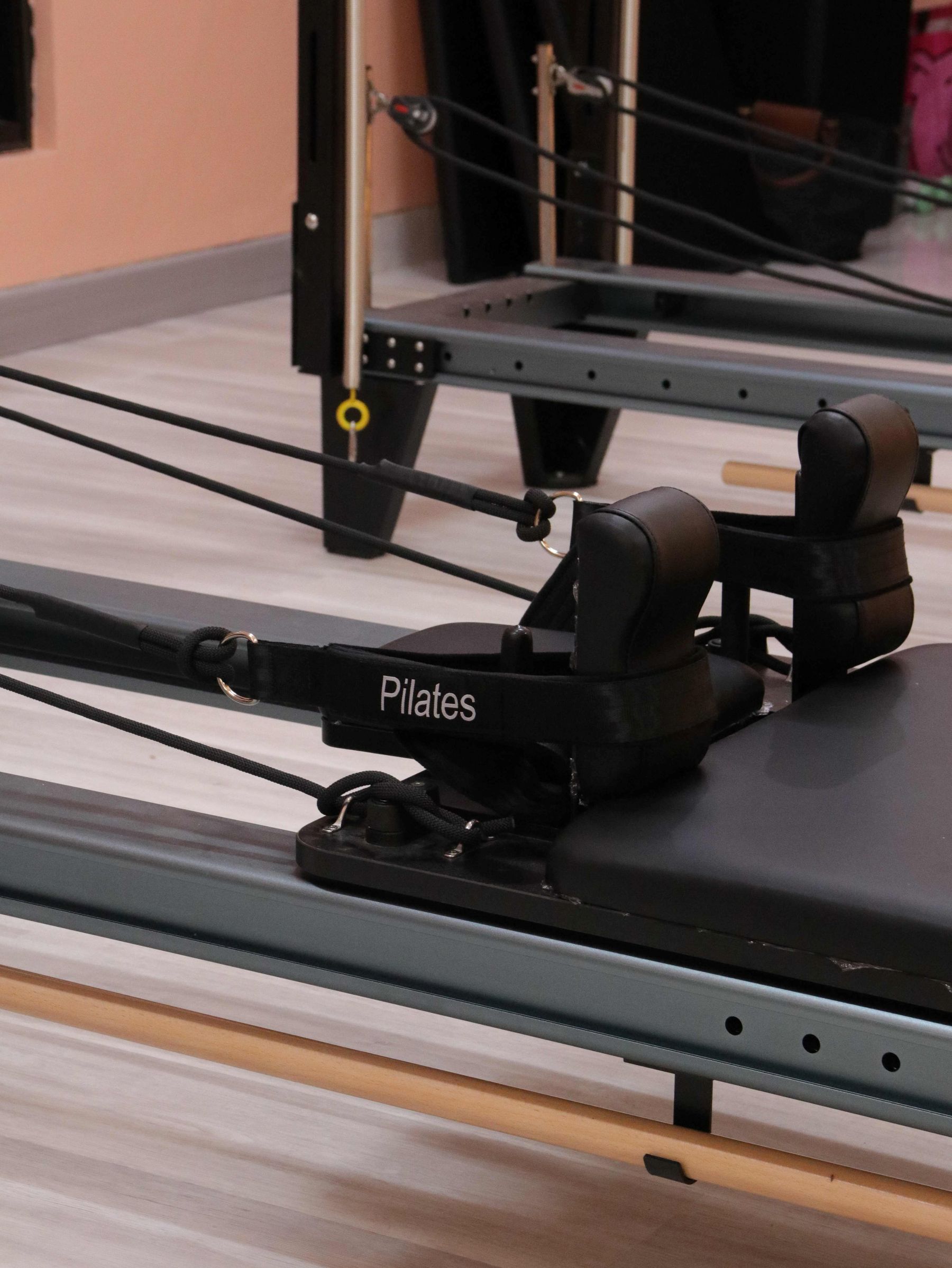
The class itself is 50 minutes — footwork, bridges, leg work, side-lying, planks, stretch. Four people on four reformers. The instructor moves between machines, adjusting springs, lengthening necks, cuing breath. Nobody feels rushed. Nobody feels lost.
Mid-morning — the quiet hour
Between classes the studio breathes. The instructor wipes down the equipment, opens windows for a few minutes if the weather allows, and writes a quick note about anything noticed in class — someone's hip rotation that improved, someone else's lower back that flared. These notes carry forward to the next session.
This is also when private clients sometimes book — postpartum mothers in their first weeks back, members rehabbing an injury, people who simply prefer the focus of one-on-one. Privates run the same 50 minutes but feel longer because the attention is uninterrupted.
Afternoon — the working women
From around 4:00pm, the rhythm shifts. The afternoon and evening classes draw a different crowd — women coming from Surabaya offices, freelancers between client calls, university students. The energy is louder in the lobby, quieter on the carriages. The same focus, just bookended by different conversations.
Music in the room is intentional — soft, unobtrusive, mostly instrumental. Loud enough to give the class a heartbeat, quiet enough that you can hear the spring you just clipped on. We change the playlist with the season.
Evening — the last class
The 6:30 and 7:00 classes are usually the most popular. People are off work, the heat of the day has eased, and the studio takes on a different feeling — almost a family one. Members check in on each other. Friends bring friends. The instructor often stays past closing to talk through someone's question, recommend a stretch for the morning, or schedule the next session.
By 8:30, the last reformer is wiped down, the lights are dimmed, and the studio is quiet again. The room resets. Tomorrow it does it again.
What makes a small studio feel like a home
It isn't the equipment, although the reformers matter. It isn't the photographs on the website, although those are honest. It's the same five or six things, repeated over and over:
- The instructor remembers your name and your knee.
- Nobody is rushed onto a machine before they're ready.
- When you're sore, the next class adapts.
- The studio is small enough that you can't be invisible.
- Women teach women, gently, and the room reflects that.