Mat vs Reformer Pilates: Which Should You Start With?
If you've ever pulled up a YouTube mat Pilates video and felt confused about whether you're doing it right, the reformer might be exactly what you needed.
Mat Pilates and reformer Pilates were both designed by Joseph Pilates and share the same six principles — concentration, control, centering, flow, precision, breath. They're cousins, not twins. Each rewards a different kind of practitioner.
Mat Pilates
What it is
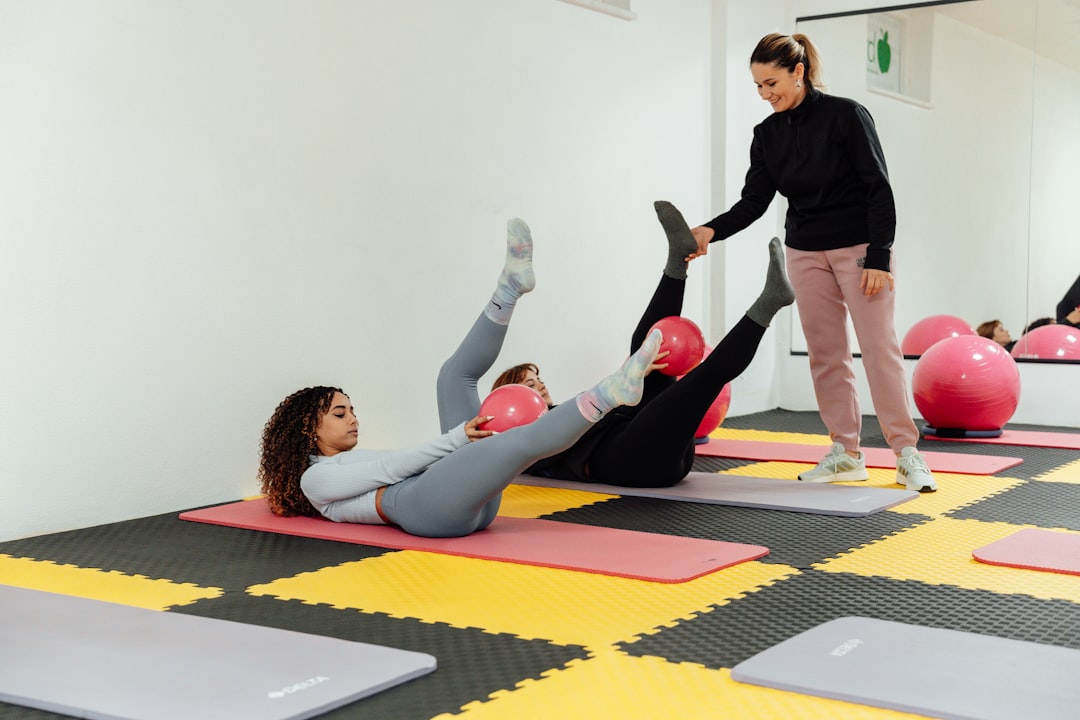
Bodyweight floor work. You lie, sit, and kneel on a mat and use your own weight as resistance. Equipment is minimal — a mat, sometimes a small ball, a ring, or light weights. It's how Joseph Pilates originally taught his system in his New York studio in the 1920s.
What it's good for
- Anywhere practice — you can do it at home.
- Lower cost — group mat classes are typically Rp 80.000 – 120.000.
- Building deep core endurance and body awareness.
- Strong, experienced practitioners who already understand alignment.
Where it's harder
- Beginners often can't feel which muscles to engage without external feedback.
- Modifying for injuries or weak areas takes more skill from the instructor.
- Progress is slower because there's no resistance beyond your bodyweight.
Reformer Pilates
What it is
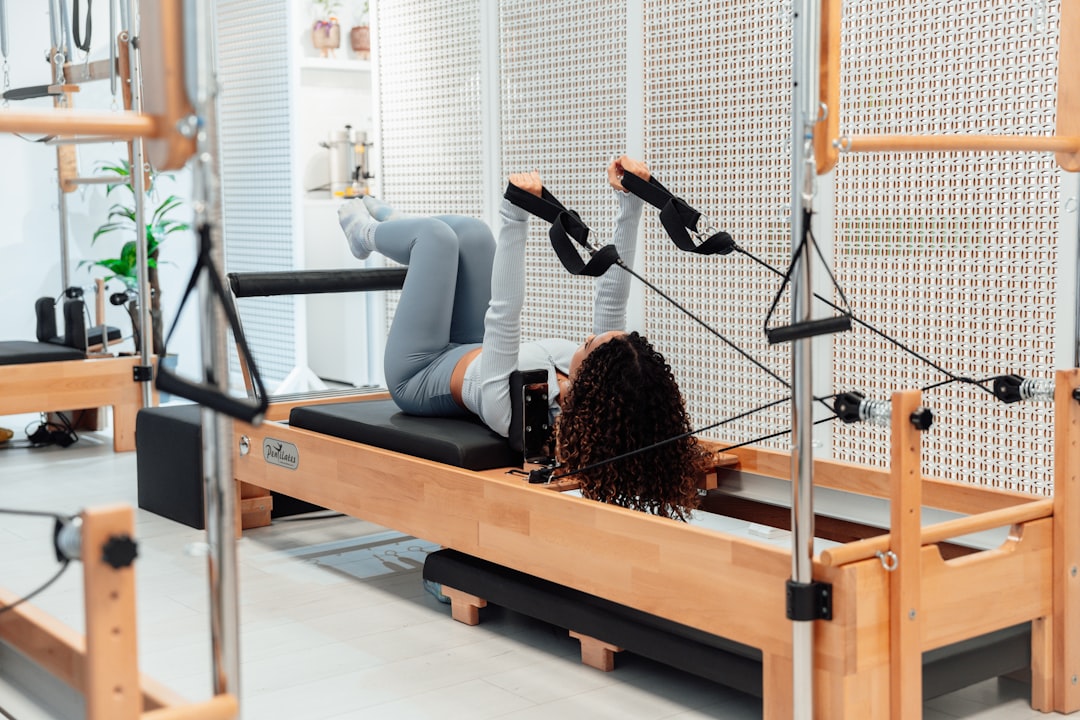
The same principles applied on a sliding-carriage machine with springs. The springs add resistance and assistance, the carriage gives feedback when your alignment is off, and the straps and bars create dozens of new positions impossible on a mat.
What it's good for
- Beginners — the equipment teaches you what to feel.
- Anyone with weakness, injury, or postural issues — the springs let you load precisely.
- Faster strength gains because you can progress resistance gradually.
- Postpartum and rehab work where modifications matter.
- People who want to feel guided rather than guess.
Where it's harder
- Higher cost — typically Rp 150.000 – 250.000 per class in Surabaya.
- Requires going to a studio.
- Smaller class sizes mean booking earlier.
Which should you start with?
Honest answer: if you can afford it, start with reformer. Here's why.
Most Pilates beginners abandon the practice because they don't feel like they're 'getting it.' On a mat, this is common — the cues your instructor gives ('lift your pelvic floor', 'soften the front of your ribs', 'lengthen through the crown of your head') are abstract until your body has felt them. The reformer gives external feedback. When the spring resistance changes your movement quality, you feel the difference. That feedback loop accelerates learning by months.
After 10–20 reformer classes, mat Pilates becomes much more useful. You'll know what the cues mean. You can practice at home between studio sessions and feel real benefit. Many of our most consistent reformer members do mat work at home twice a week as homework.
Can you do reformer with no Pilates background at all?
Yes. About 70% of our first-time members at 21 Pilates ID have never done any Pilates before — mat or otherwise. The instructor walks every newcomer through the equipment in the first ten minutes.