Pilates for Lower Back Pain: A Gentle, Sustainable Approach
If you've been told to 'strengthen your core' for years and don't really know what that means, this article is for you.
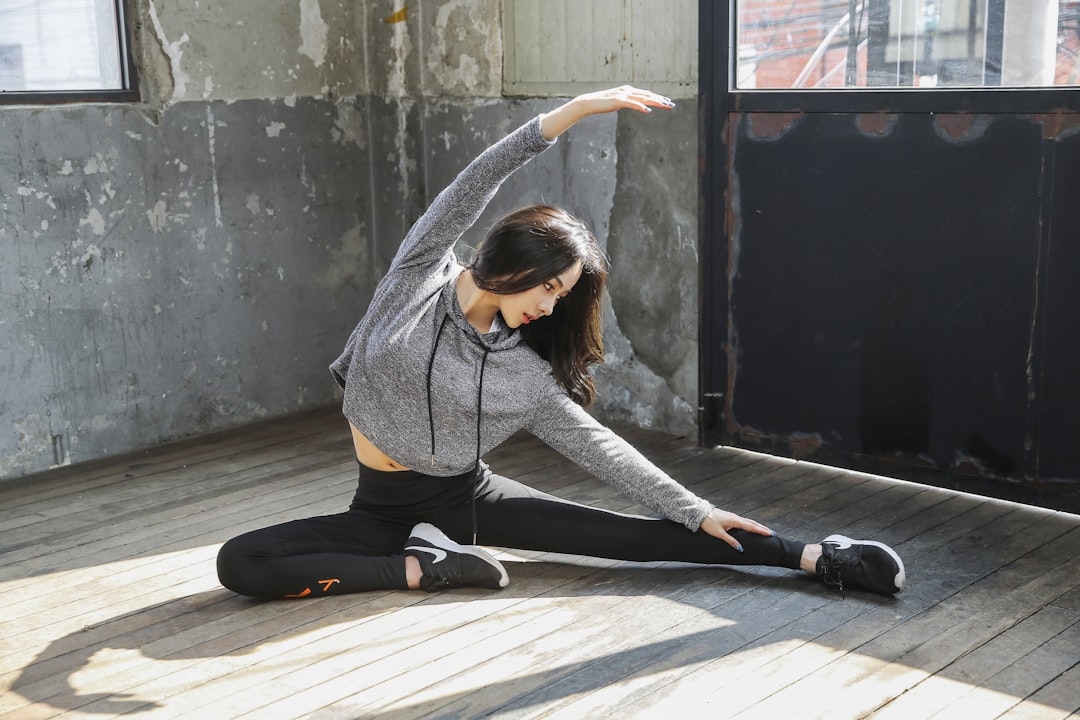
Roughly 80% of adults will experience meaningful lower-back pain at some point. For most, it shows up around the late twenties, settles into a pattern, and becomes a quiet feature of daily life — manageable, sometimes painful, never quite gone. Pilates won't always solve it completely, but for many people it gets the pain from 'present every day' to 'rare and brief.'
Why backs hurt — the boring real reason
Almost every long-running, non-traumatic lower-back pain story comes down to a similar pattern: weak deep core, weak glutes, tight hip flexors from sitting, and a spine that compensates. The body holds itself up with the wrong muscles, those muscles get tired, and the pain shows up around mid-afternoon.
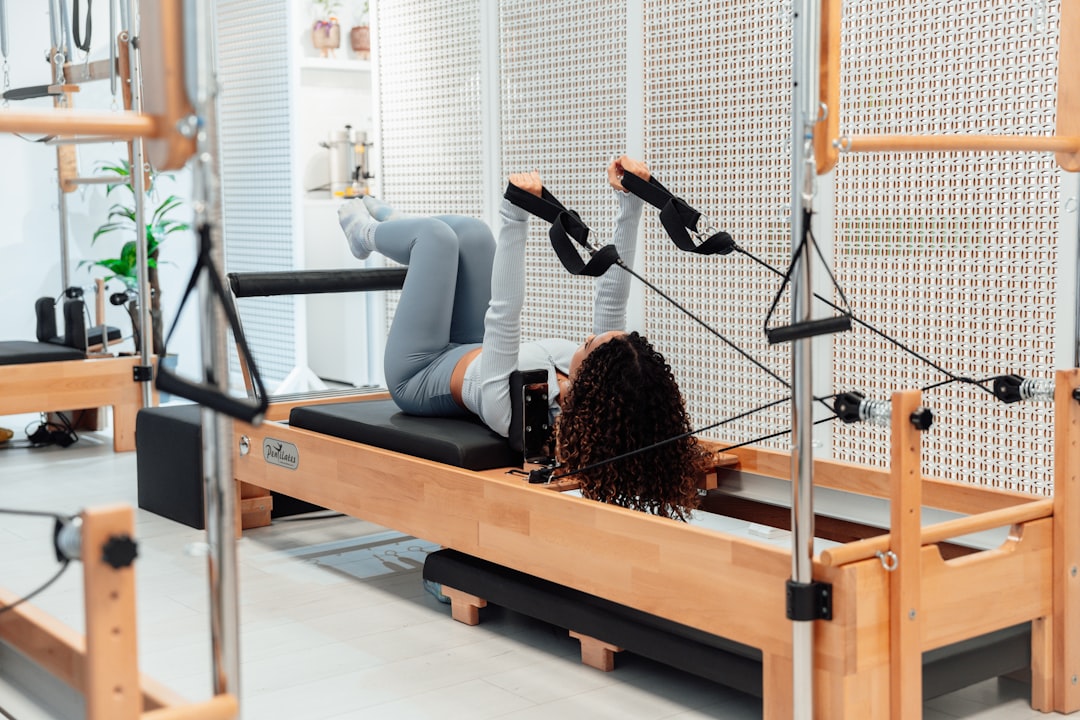
Strengthening 'the core' is the standard advice, but most people interpret that as crunches — which actively make the problem worse for many spines. Reformer Pilates trains the core in a way crunches don't:
- It loads the deep stabilizers (transverse abdominis, multifidus) before the surface flexors (rectus abdominis).
- It teaches the glutes to fire, taking pressure off the lower back during everyday movement.
- It opens the hip flexors that pull the lumbar spine into excessive curve.
- It trains the spine to articulate — to move segment by segment instead of as one stiff column.
What the research actually says
Multiple systematic reviews have found Pilates effective for chronic non-specific lower-back pain — often as effective as standard physiotherapy and more effective than general exercise. The reformer form has additional advantages because the spring resistance can be set extremely light for sensitive bodies and increased gradually as tolerance grows.
How to start without flaring up
Most flare-ups happen because someone walks in determined to push through. Reformer Pilates rewards the opposite approach. Here's the protocol we use at 21 Pilates ID for members with active back pain:
- Tell your instructor everything before class. Diagnoses, what hurts, what helps, what positions you avoid in daily life.
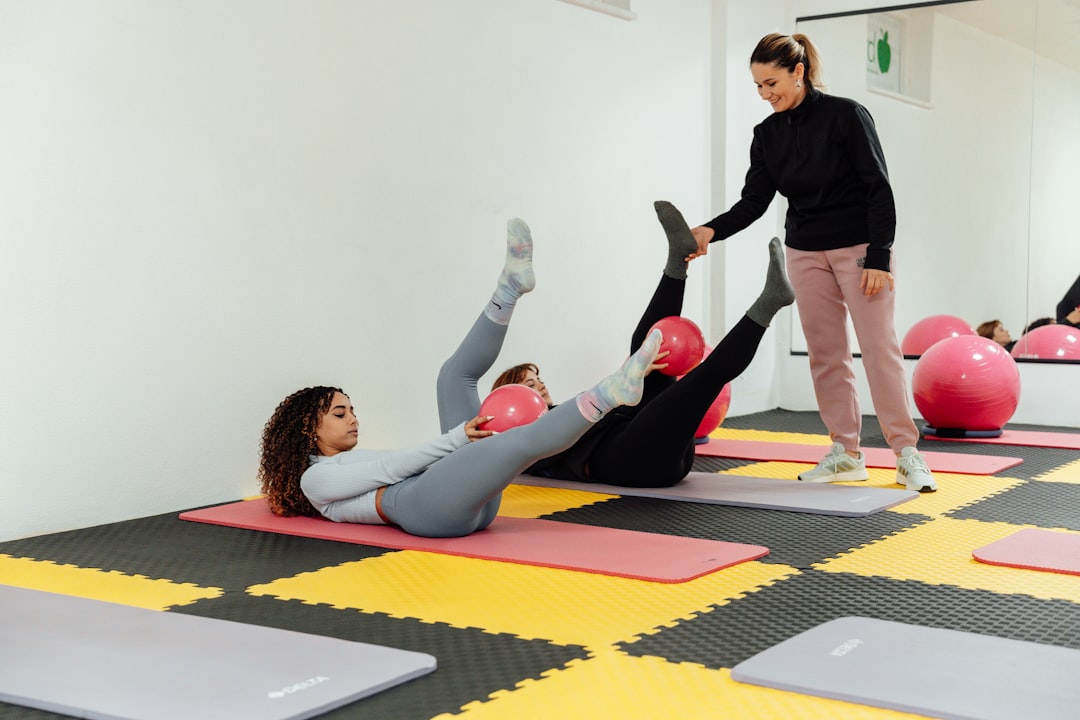
- Start with one Private Class. The instructor adjusts springs and modifies every movement to your spine.
- Move to Open Class once you've trained the basics privately and the instructor confirms you're ready — usually after two to four privates.
- Train two times a week, not five. The body needs adaptation time more than volume.
- Tell us if anything during class makes the pain sharper — not the next day, in the moment.
Movements that usually feel safe
- Footwork with light springs.
- Pelvic tilts and bridges — gentle articulation of the lumbar spine.
- Side-lying clamshells — gluteus medius work that takes load off the lower back.
- Supported hamstring stretches at the end of class.
Movements we usually modify or skip early on
- Heavy spring work — load before alignment is settled.
- Forward flexion under load (similar to crunches).
- Long-lever leg work that the lumbar spine is bracing against.
How long until the pain shifts?
Most members report a meaningful change within four to six weeks of two-times-a-week practice. By twelve weeks, the daily background ache that defined their day has usually faded. Strength persists as long as you keep moving — once you stop, the pattern returns over a few months.