Pilates vs Yoga: Which One Is Right for You?
Stop choosing based on the studio aesthetic. The two practices solve different problems. Here's how to tell which one your body is asking for.
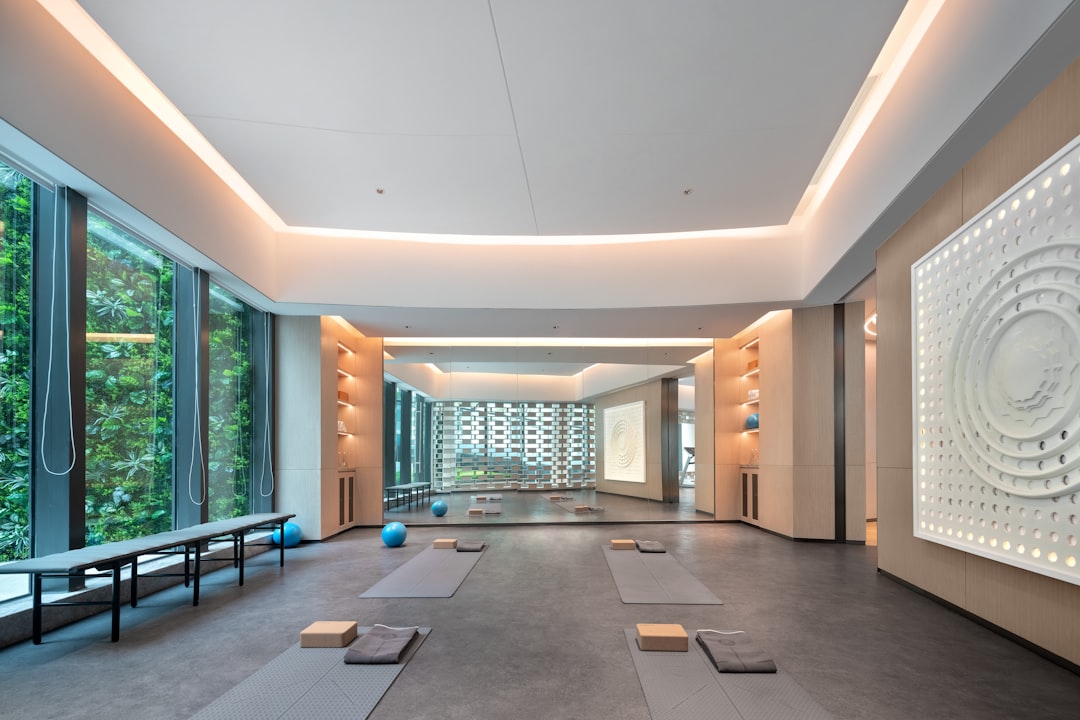
Walk into a yoga class and a reformer Pilates class on the same day and you'll notice they share a lot — quiet rooms, careful breath, slow movement, an instructor cuing your shoulders down. They look like cousins. They're not. The two practices were invented for different purposes and they shape the body differently.
The short version
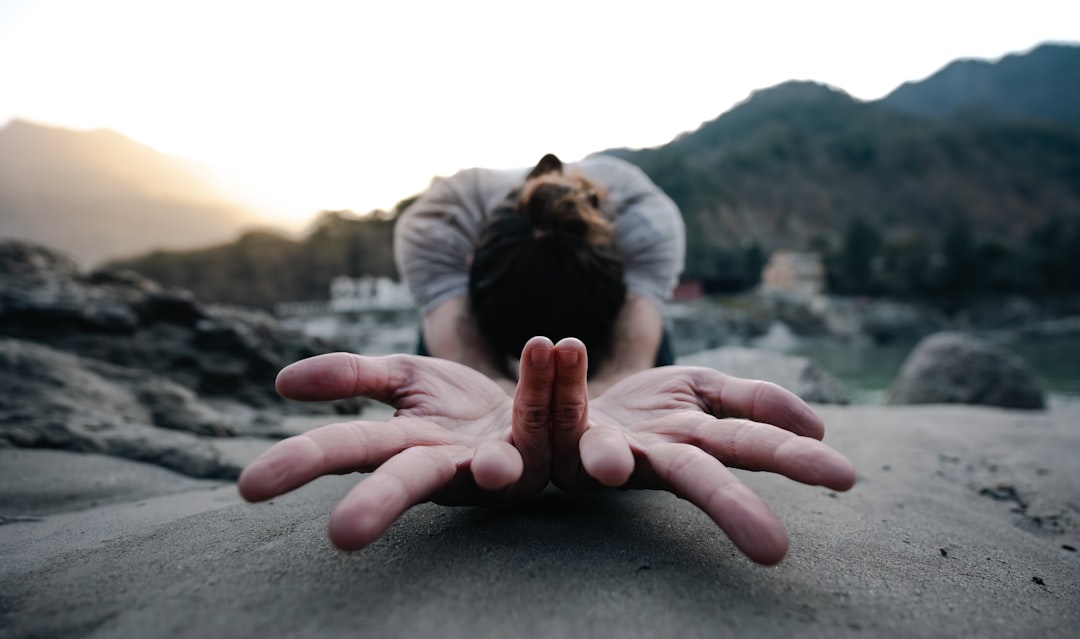
- Yoga is a centuries-old spiritual and movement practice that builds flexibility, balance, and equanimity through holds and breath.
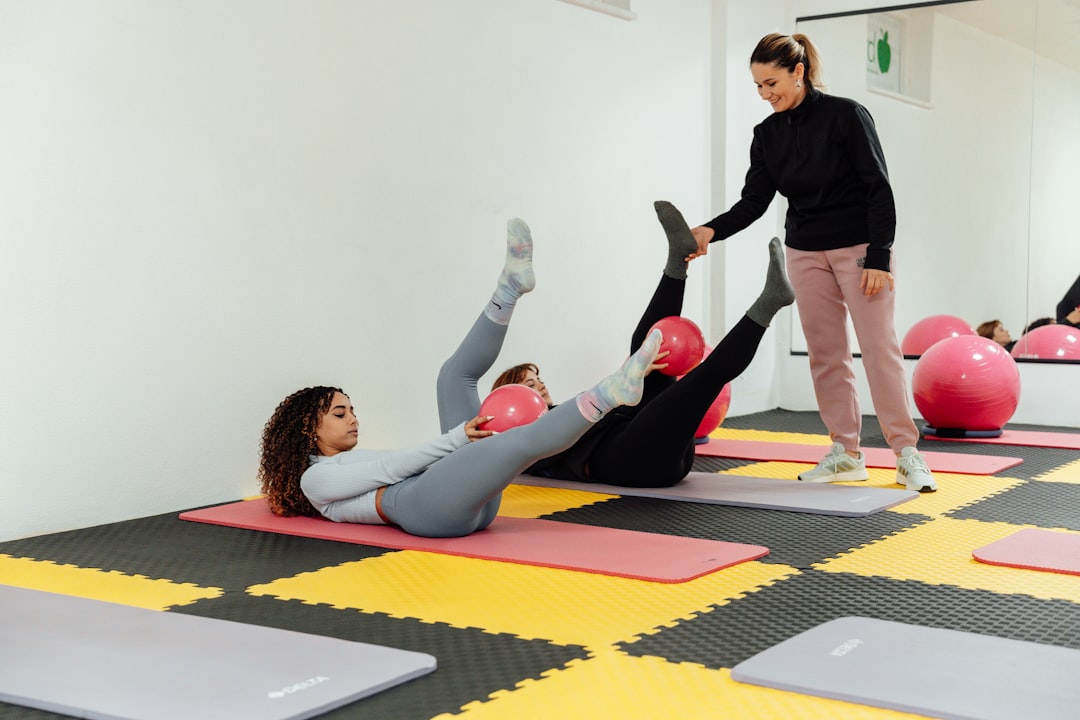
- Pilates is a 100-year-old physical conditioning system designed by Joseph Pilates to build deep core strength, alignment, and controlled movement, originally to rehabilitate injured soldiers and dancers.
- Yoga emphasizes positions held over time. Pilates emphasizes precise, repeated movement against resistance.
Where each one shines
Yoga is unmatched for
- Flexibility — long-held poses lengthen connective tissue in a way Pilates cannot.
- Stress regulation — restorative styles, yin, and slow vinyasa downshift the nervous system reliably.
- A spiritual or meditative practice woven into the movement, if that matters to you.
- Group atmosphere — even busy classes feel coherent because everyone moves together.
Pilates is unmatched for
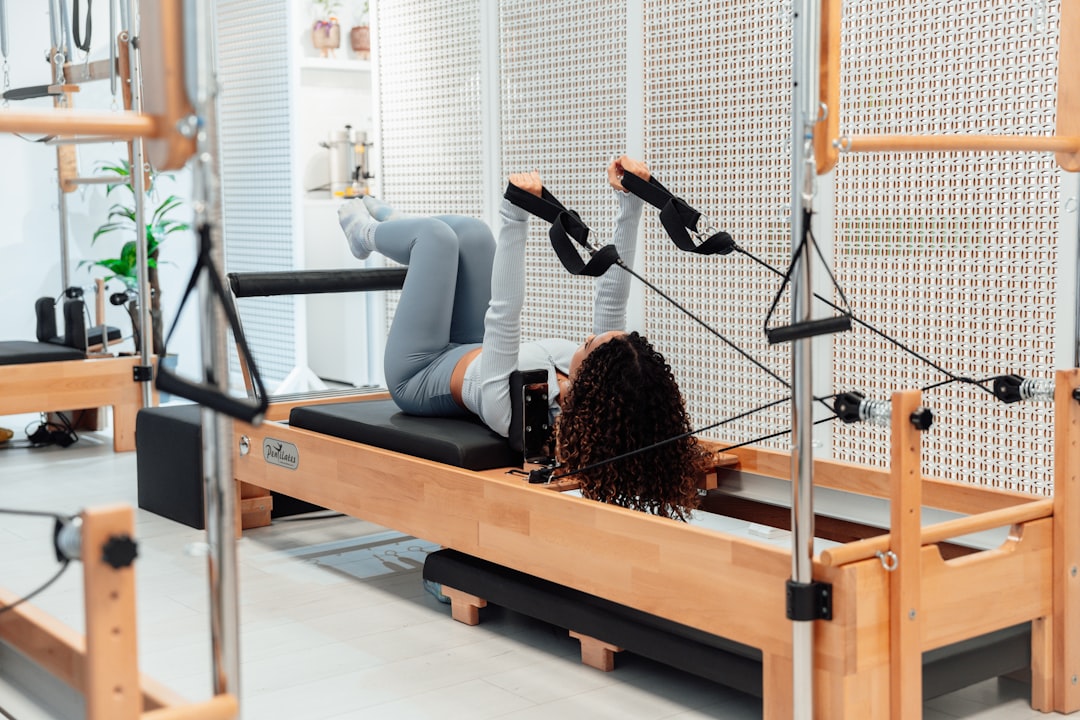
- Deep core and pelvic-floor strength — especially on the reformer.
- Postural correction — desk-related upper-back tightness and lower-back vulnerability respond fast.
- Rehab from injury — controllable resistance lets you load tissue precisely.
- Shoulder, knee, and hip stability — the small stabilizers get specifically trained.
- Postpartum recovery — diastasis recti and pelvic-floor protocols are well-developed in Pilates.
How they actually feel different
In yoga, you're often holding a shape and breathing into it. In Pilates, you're often moving slowly through a shape with resistance pulling against you. Both build strength, but Pilates strength shows up faster in everyday movement — picking up children, lifting bags, walking up hills — because the training pattern matches daily life more closely.
Yoga, on the other hand, gives you a kind of structural openness Pilates can't replicate. After three months of consistent yoga, your hamstrings and hips loosen in ways no Pilates class will produce.
Cost in Surabaya, briefly
A typical drop-in yoga class in Surabaya runs Rp 80.000 – 150.000. A reformer Pilates Open Class typically runs Rp 150.000 – 200.000 (ours is Rp 165.000). The price gap reflects equipment cost and class size — yoga can fit twenty people in a room comfortably; reformer studios cap at four to six because each person needs a machine.
Can you do both?
Yes — and many of our members do. The combination is genuinely complementary. Two reformer classes a week for strength and precision, plus one yoga class for flexibility and decompression, is the most common pattern we see.
Which one should you start with?
If your body's complaint is tightness, stress, or feeling stuck — start with yoga. If your body's complaint is weakness, post-pregnancy recovery, lower-back pain, or wanting to feel strong — start with Pilates. Most women in Surabaya, especially those in their thirties and forties, end up benefiting more from Pilates first, then add yoga later.