Pilates for Posture Correction and Lower Back Pain Relief in Surabaya
The lower back is not the problem. The lower back is where the problem shows up. Here's what actually needs to change, and how the reformer works with your spine instead of against it.
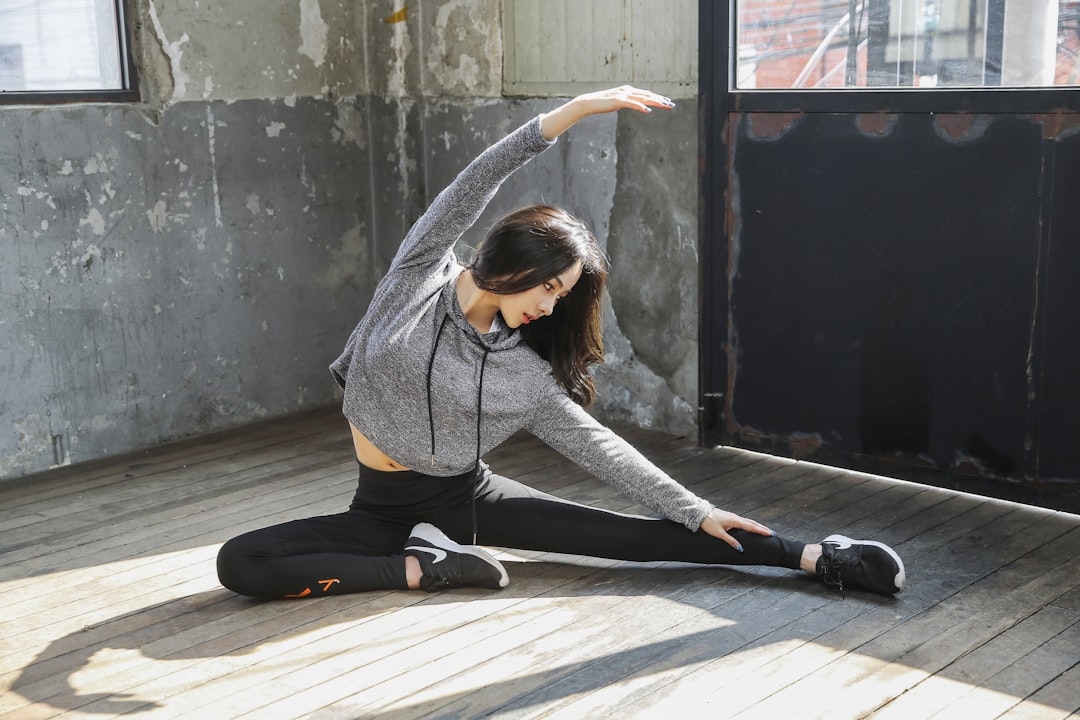
If you've been carrying lower-back tension for months or years, you already know the pattern. It's worst in the morning. It flares after long drives across Surabaya. It quiets down for a few hours after you move, then returns. Painkillers help temporarily. Nothing seems to fix it.
The reason is that the lower back is almost never the source. It's the messenger. The actual work needs to happen in three other places — and reformer Pilates addresses all three in a way that most exercise doesn't.
Where lower back pain actually comes from
For most desk workers, drivers, and mothers of young children, chronic lower-back pain is a downstream symptom of three things:
- Tight hip flexors. Sitting for hours shortens the muscles that connect your thighs to your lower spine. When they're short, they pull your pelvis into an anterior tilt, arching your lower back and compressing the joints.
- Weak deep core. The transverse abdominis and pelvic floor should hold your spine like a corset. When they've gone quiet from disuse, your surface muscles overwork and cramp.
- Poor spinal articulation. Your spine has 24 movable segments. In a sedentary life, most of them stop moving individually and start moving as a single stiff block. The lower back gets forced to do the work of five or six vertebrae it wasn't designed for.
Any exercise that ignores these three and just loads your back — deadlifts, sit-ups, crunches — often makes things worse. It strengthens the compensations.
How reformer Pilates works differently
The reformer addresses all three sources at once:
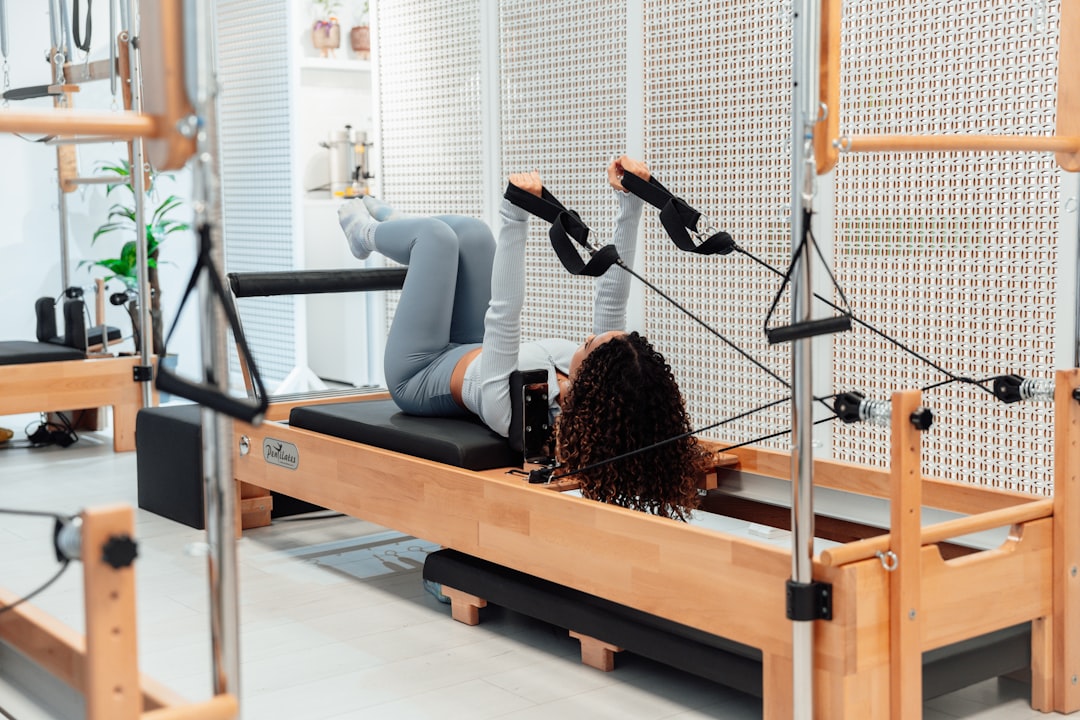
- Hip flexor length: the sliding carriage lets you lengthen your front-hip line under load, gently retraining the muscles to release.
- Deep core activation: springs at low tension force you to stabilize your pelvis before you can move — this is precisely what wakes up the deep core.
- Spinal articulation: exercises like the roll-down, pelvic curl, and spine stretch move your vertebrae one at a time, restoring the movement your back has forgotten.
Nothing about it feels intense in the way a gym workout feels intense. That's the point. Your nervous system stays calm, your compensations don't fire, and the deep work gets in.
What to expect in the first six weeks
Weeks 1-2
Nothing dramatic. Some awareness — noticing when you slump, catching yourself holding tension. You might feel muscles you didn't know existed slightly sore for a day.
Weeks 3-4
Morning stiffness starts to shorten. Long drives feel less brutal. The tightness after a full workday still shows up, but it doesn't stick around as long. Some people report their sleep improves.
Weeks 5-6
The baseline changes. You realize you haven't thought about your back in three days. You bend to pick something up without bracing. You notice you're breathing differently.
Beyond six weeks
With continued twice-weekly practice, the pain becomes an occasional visitor rather than a resident. The habit rewires your posture at rest, which is where the real change is.
What to do first
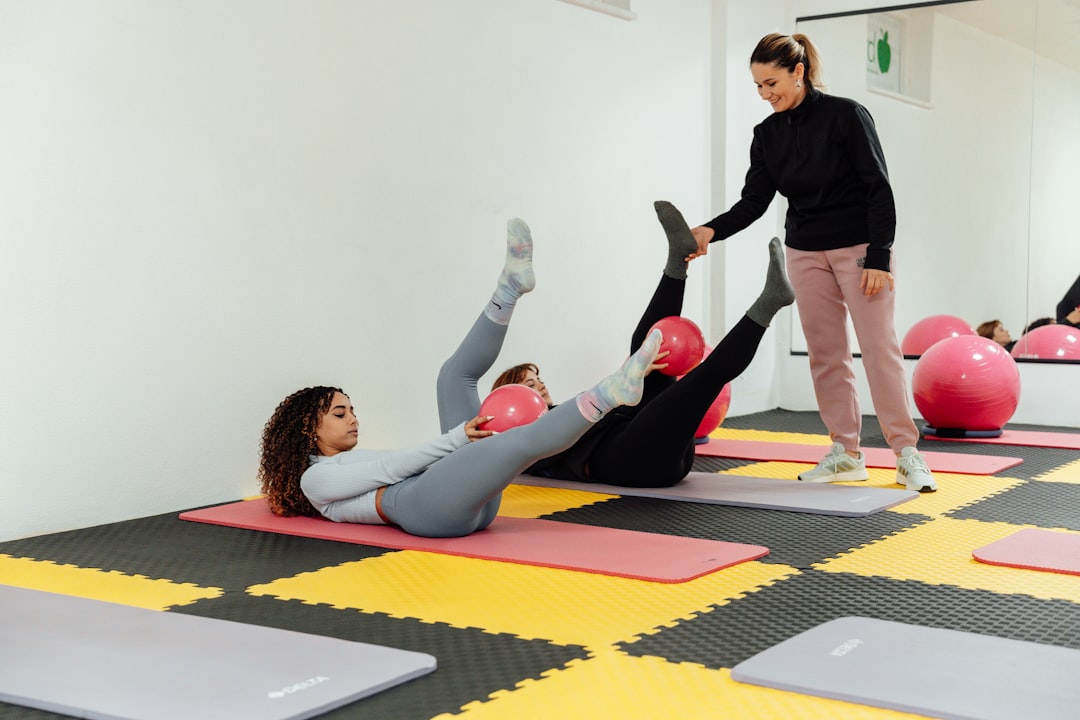
If you're in Surabaya and have chronic lower-back pain, start with a Private Class or Semi-Private at 21 Pilates ID. A private lets the instructor assess your specific patterns — how your pelvis sits, where your spine locks up, which side is tighter — and design a plan. After three or four privates, you can transition into Open Classes with confidence.
Do not rush into a group class first if the pain is significant. Group works, but private first is faster and safer.