Pre-Natal and Postpartum Core Strength: Safe Pilates Movements for Mothers in East Surabaya
Pregnancy and delivery change your body dramatically. Reformer Pilates is one of the safest ways to work with those changes — trimester by trimester, and gently back into strength afterward.

Pregnancy and postpartum recovery are the two windows where the choice of exercise matters most. The wrong movement can strain the pelvic floor, worsen diastasis recti, or overload joints softened by hormones. The right movement can preserve strength during pregnancy and rebuild the deepest layer of the core after delivery in ways almost nothing else can.
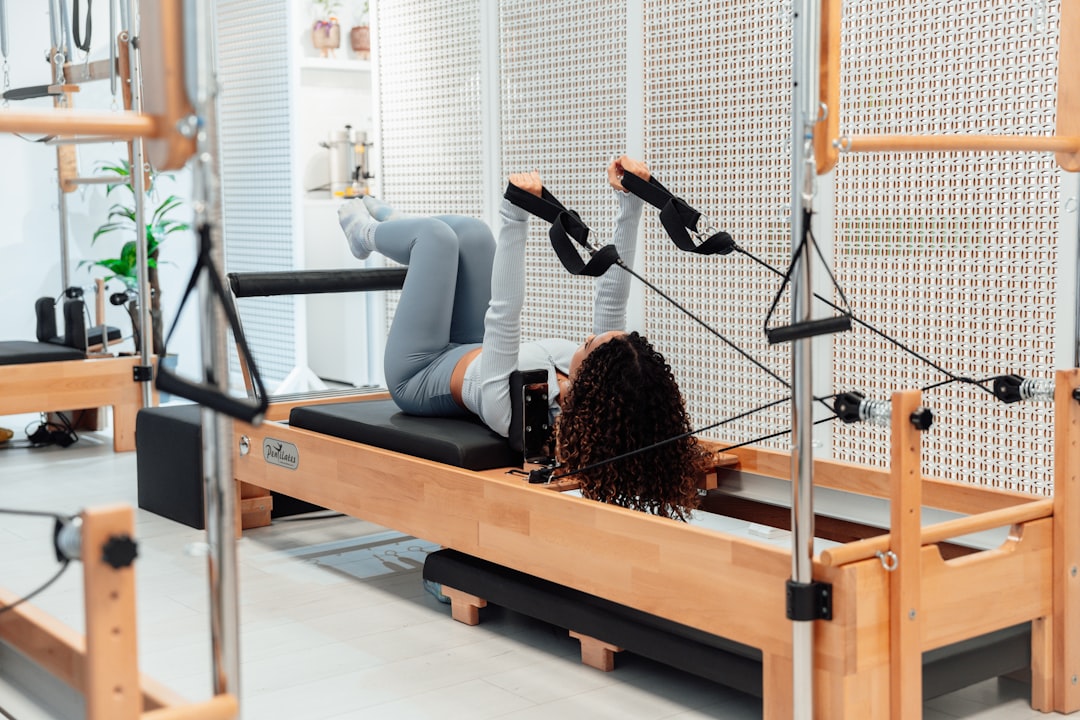
Reformer Pilates, guided by a certified instructor with prenatal and postnatal training, is one of the safest and most effective options for both windows. Here's what each phase actually looks like.
Prenatal by trimester
First trimester (weeks 1-13)
If you were practicing reformer Pilates before pregnancy, you can generally continue with modifications from the moment you get the positive test. If you're new to Pilates, wait until the second trimester to start — the first trimester's fatigue and hormonal shifts make it harder to learn a new practice.
Second trimester (weeks 14-27)
This is the ideal starting point for prenatal reformer Pilates. Your energy returns, morning sickness usually eases, and your body is still mobile enough to move through most exercises with modifications. Focus shifts to gentle strengthening, pelvic floor awareness, and posture support as your belly grows.
Modifications begin here: no supine (flat on back) exercises after about week 16, no deep twists that compress the belly, and reduced spring load on any core work. Side-lying, seated, and quadruped positions become the workhorses.
Third trimester (weeks 28-birth)
The focus shifts to preparing for labor and maintaining comfort. Squat variations open the pelvis. Gentle side work maintains obliques without straining. Breath work — an entire hidden pillar of reformer Pilates — becomes a rehearsal for the breath patterns of labor itself.
Most women can continue reformer Pilates until 37-38 weeks with good instruction. Some go right up to their due date.
Postpartum: rebuilding from the inside out
The first six weeks after birth are for rest and gentle mobility only. Even walking counts as exercise in that window. Wait for clearance from your obstetrician — usually at the six-week checkup — before returning to any structured practice.
When you return to the reformer, everything is different than it was. Your abdominal wall has been stretched. Your pelvic floor has been strained. Your posture has adapted to months of carrying weight forward. The rebuild isn't about intensity — it's about waking up muscles that have gone quiet.
Weeks 6-12 postpartum
This is diastasis-check territory. Before doing any core work, your instructor should assess whether your abdominal wall has closed adequately. If it hasn't, targeted exercises to encourage closure come first, before general strengthening.
Expect very light spring loads. Expect a lot of breath work. Expect the focus to be on pelvic floor coordination — the deep, hidden layer that stabilizes everything above it.
Months 3-6 postpartum
Strength starts to return, but pelvic floor work continues. The abdominal wall reintegrates. Sleep is still broken, so recovery matters more than intensity. Two sessions a week is the sweet spot.
Beyond 6 months
Most postpartum mothers who've followed a careful reformer protocol reach a level of core strength and postural integrity by month nine that's often better than pre-pregnancy. The rebuild done right leaves you stronger, not just recovered.
Choosing an instructor
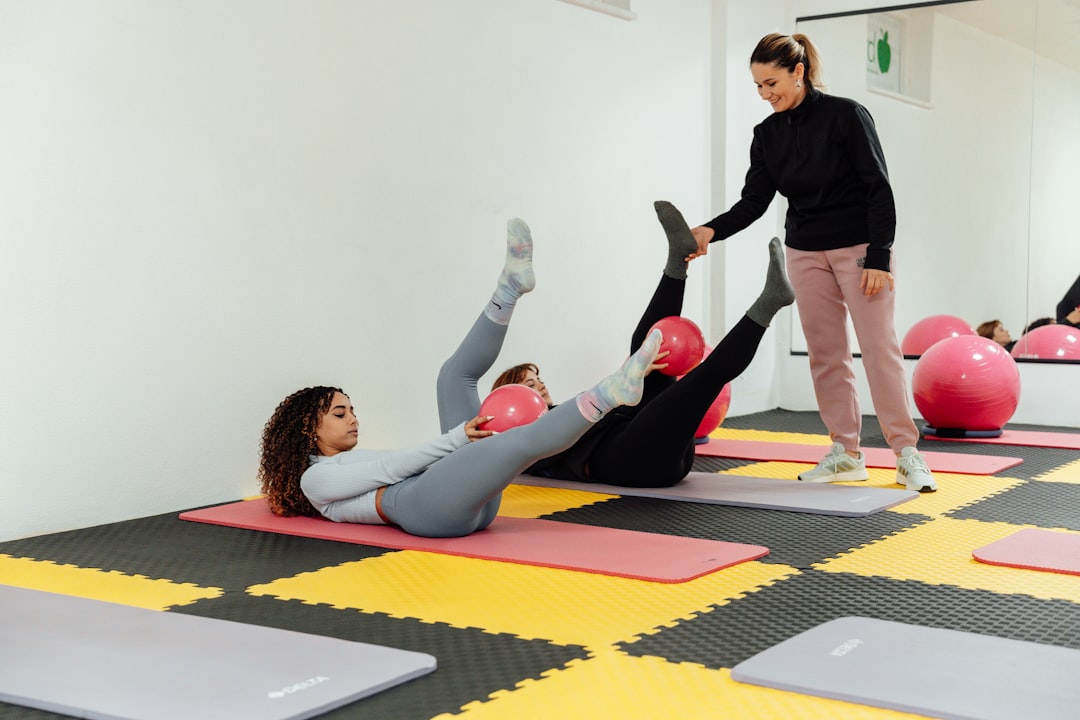
Not every Pilates instructor has prenatal or postnatal training. Ask directly. At 21 Pilates ID in Rungkut, mothers are welcome — private and semi-private formats are the safer choice during both windows because the instructor can pay full attention to your specific stage.