Reformer Pilates vs. Mat Pilates: Which One is Right for Beginners in Surabaya?
Both are called Pilates. Both build core strength. But for a beginner in Surabaya, the honest answer is that one of them makes the first six weeks dramatically easier.
If you're new to Pilates and searching studios in Surabaya, you'll see two words repeated everywhere: mat and reformer. Sometimes both are offered under one roof, sometimes only one. What's actually the difference — and if you're brand new, which one should you try first?
Mat Pilates: bodyweight on the floor
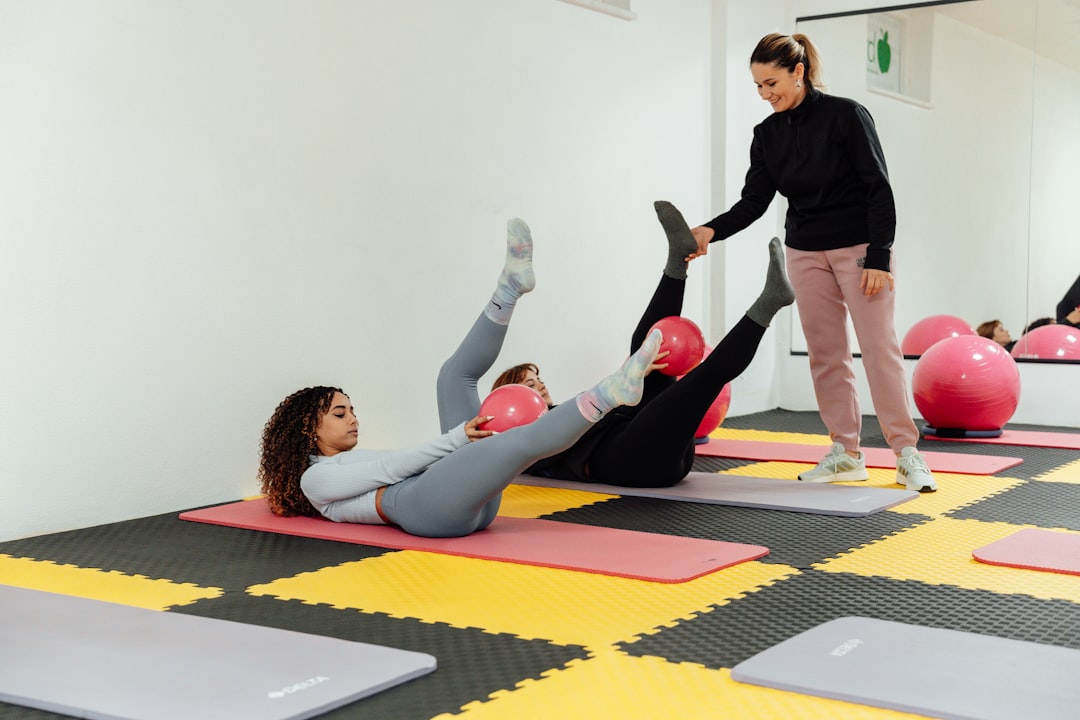
Mat Pilates uses only your body weight and gravity. You lie, sit, and kneel on a padded mat and move through a sequence of exercises designed by Joseph Pilates in the 1920s. There's no equipment beyond the mat itself, and occasionally a small prop — a resistance band, a Pilates ring, a soft ball.
Because there's no external resistance, the work comes entirely from stabilizing your own weight. That's demanding, but in a specific way — it asks a lot of your deep core before you know your deep core.
What mat Pilates does well
- Portable — you can do it anywhere with a mat.
- Inexpensive — group classes cost less than reformer.
- Great for building body awareness once you already have some baseline strength.
Where mat Pilates gets hard for beginners
- Every movement is unassisted — if your abs aren't ready, your neck and lower back compensate.
- The instructor can correct your form verbally but can't reduce the load for you the way a reformer's springs can.
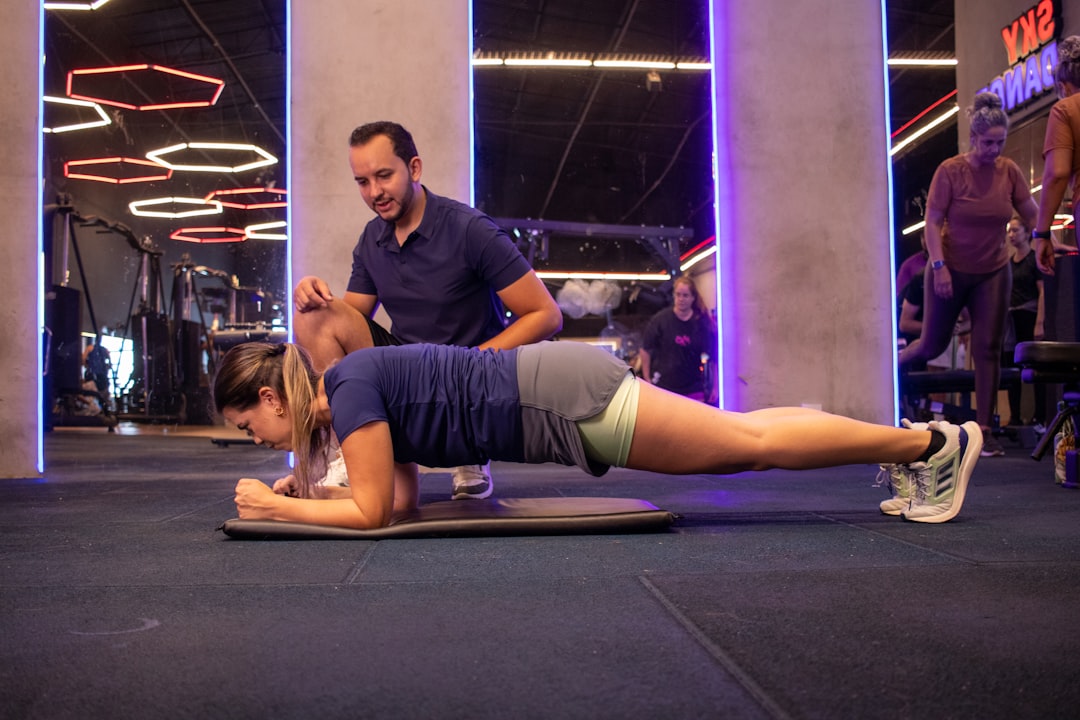
- In a big group class, it's easy to muddle through without ever knowing whether you're doing it right.
Reformer Pilates: springs that assist and resist
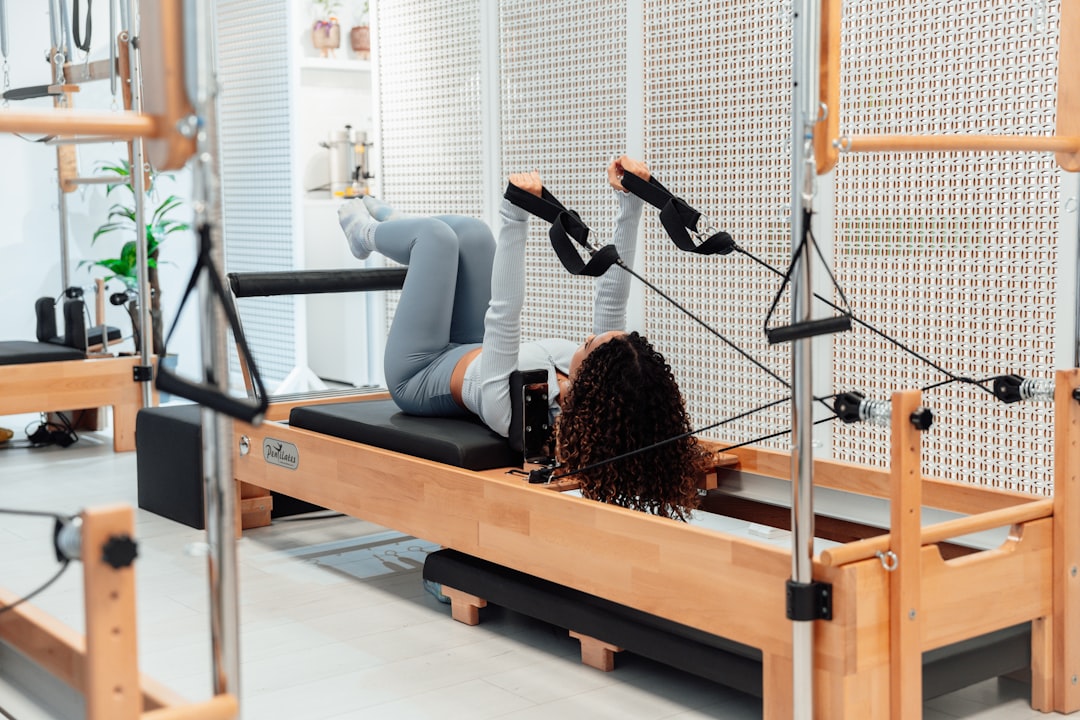
The reformer is a sliding-carriage machine with springs that connect to a footbar and hand straps. When you push away from the footbar, you're moving against the spring's resistance. When you're lying on your back doing a hamstring stretch, the strap around your foot uses the spring to gently deepen the stretch for you.
That dual behavior — resistance and assistance — is why reformer Pilates is often gentler on a beginner's body than mat Pilates. The springs share the load. The carriage guides you into position. The instructor can dial the spring tension up or down without you needing to change what you're doing.
A direct comparison for beginners
If you're truly new to structured movement, here's the honest side-by-side:
- Learning curve: Reformer is easier for the first six weeks. The equipment does half the teaching.
- Cost: Mat classes are cheaper. Reformer classes require a studio investment and cost more per session.
- Injury risk for beginners: Reformer is safer if you have any lower-back or knee history. The springs prevent joints from overloading.
- Speed of visible progress: Reformer produces changes faster in the first two months because the springs let you feel muscles you didn't know you had.
- Home practice: Mat is much easier to continue at home. Reformer requires the machine.
So which one should you try first?
For most beginners in Surabaya, the answer is reformer. Start with a small-group reformer class — no more than four people — and let the equipment teach you what your body should be doing. Once you've done ten to fifteen reformer classes, adding mat work becomes much easier because you already know what stability feels like.
The reverse order works too, but it's slower and more frustrating for many people. Mat asks you to already know things reformer would have taught you.