Small-Group vs. Big Commercial Gym Pilates in Surabaya: Why Class Size Actually Matters
Fifteen bodies in a Pilates class isn't a Pilates class. It's a Pilates-shaped group fitness class. Here's why the difference is measured in your results.
Big commercial gyms in Surabaya increasingly offer Pilates on their schedule. It's usually cheaper than a boutique studio session, sometimes included in the membership, and always more convenient because you were going to the gym anyway. On paper, it looks like the same thing for less money.
It isn't. And the reason isn't snobbery — it's a specific, measurable thing about how Pilates as a practice depends on the ratio of instructor attention to bodies in the room.
Why the 1:4 ratio matters
Pilates is a corrective practice. Its whole purpose is to identify the specific compensations your body has developed and reverse them through precise, individualized cueing. An instructor cannot do this at scale. In a class of fifteen, an instructor has roughly three minutes of attention per person over a 50-minute session. In a class of four, that number becomes twelve minutes.
Twelve minutes of attention per person is enough for real work. Three minutes is enough for a headcount and a general reminder to breathe.
What you get in each setting
A commercial gym Pilates class typically offers:
- A shared studio, often set up for a variety of classes rather than optimized for Pilates.
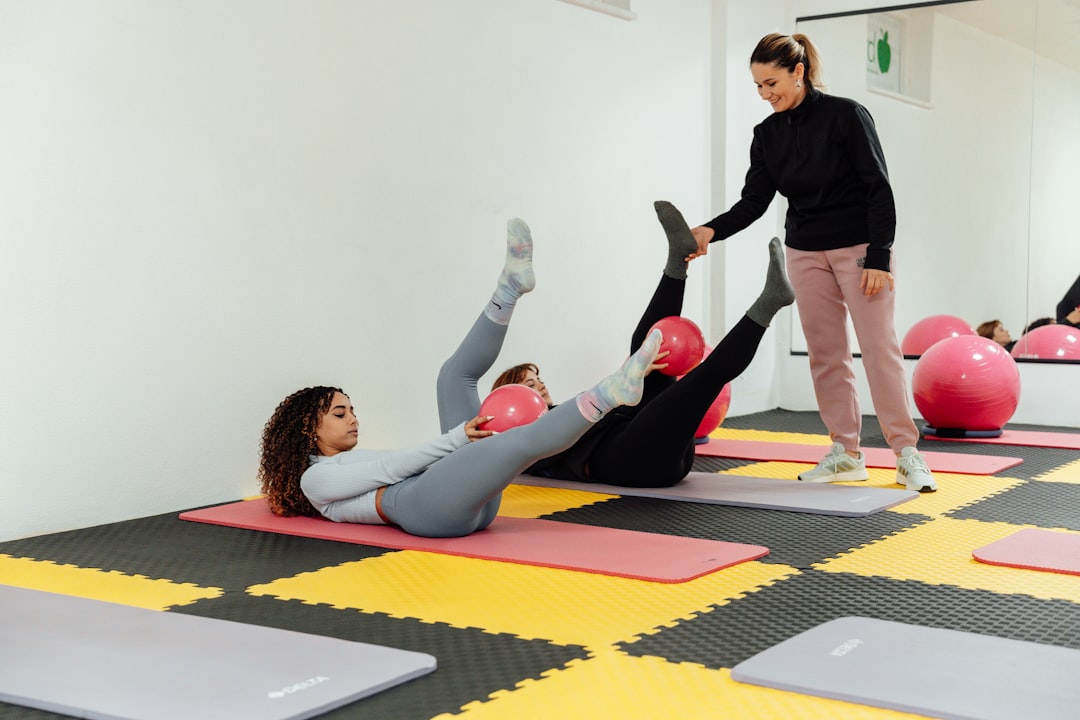
- Mat-based work, occasionally with a Pilates ring or resistance band. Rarely reformers, because a studio full of reformers is a boutique studio, not a gym.
- One instructor guiding fifteen to twenty people through a mostly identical routine.
- No adjustment for injury, pregnancy, or postural asymmetries beyond a verbal disclaimer at the start.
A boutique reformer studio like 21 Pilates ID offers:
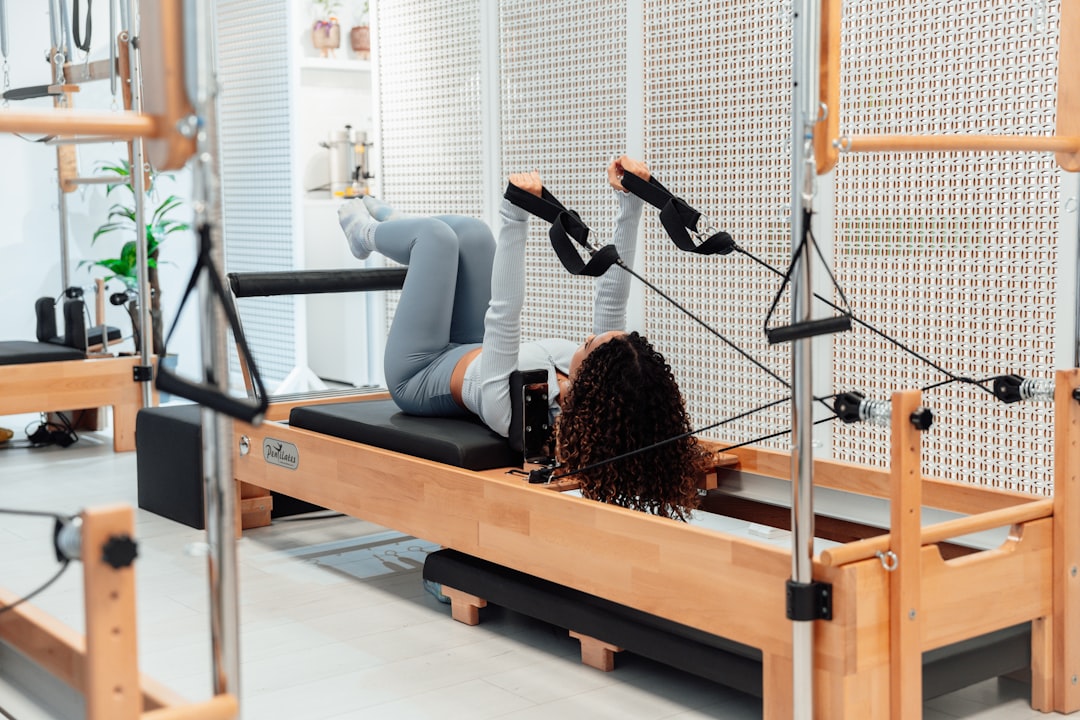
- A dedicated Pilates room with four reformers.
- Reformer-based work with springs adjusted per person, per exercise.
- One instructor with four people, actively cueing form, adjusting equipment, and modifying for individual needs.
- Real conversation before your first class about injuries, goals, and history — and continuous attention to your specific patterns each session.
Cost per unit of attention
Let's do the math honestly. A commercial gym Pilates class at Rp 75.000 with fifteen people gives you roughly Rp 25.000 per minute of instructor attention. A 21 Pilates ID Open Class at Rp 165.000 with four people gives you roughly Rp 14.000 per minute of instructor attention.
The boutique class is cheaper per unit of attention, not more expensive. You're paying more per session, but you're receiving significantly more of what actually makes Pilates work.
The long-term progress difference
The clearest way to see the difference is at the six-month mark. People who trained at a boutique studio twice a week for six months typically develop noticeable changes in posture, core strength, and mobility. People who took commercial gym Pilates twice a week for six months typically become slightly stronger but rarely show the postural or movement changes Pilates is famous for.
The exercises look similar. The equipment might even overlap. But the individual attention makes the difference between generic movement and corrective practice.
When commercial gym Pilates makes sense
None of this means commercial gym Pilates is worthless. If your goal is a moderate workout, if you already have good posture and no injuries, and if the price and convenience of the gym class is what makes you actually show up — it's a reasonable choice. Consistent commercial gym Pilates beats inconsistent boutique Pilates every time.
But if you're trying to solve something specific — chronic pain, postural collapse, postpartum core rebuilding, injury recovery — the small ratio is not optional.